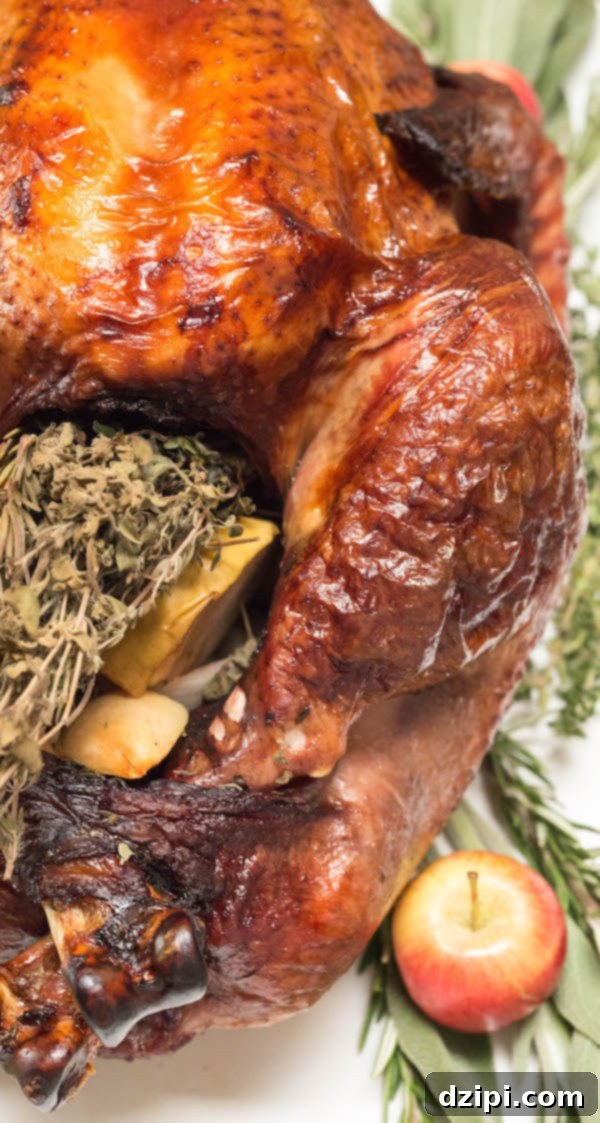
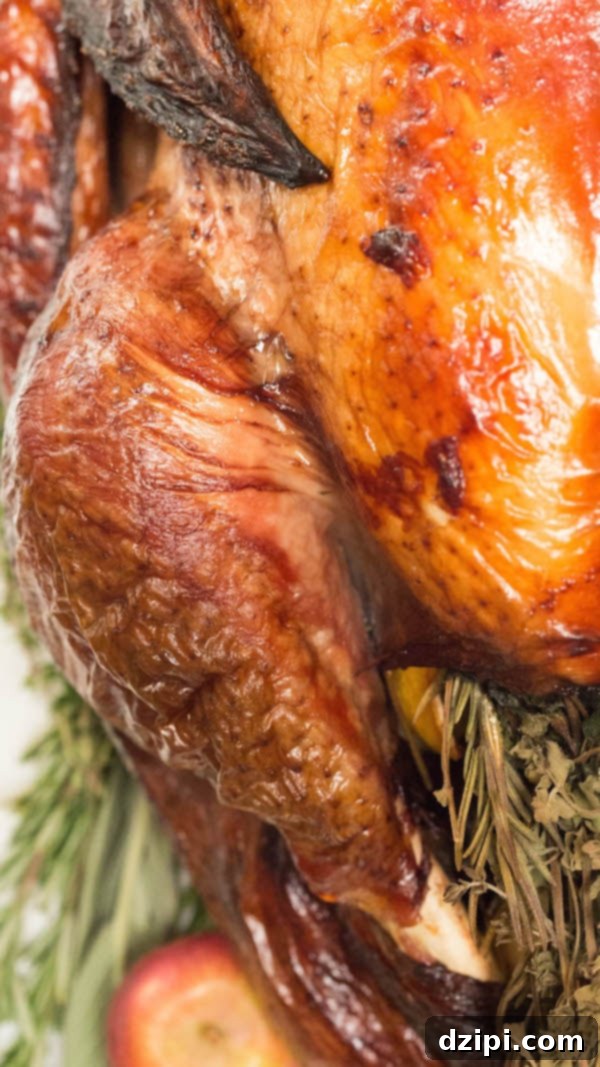
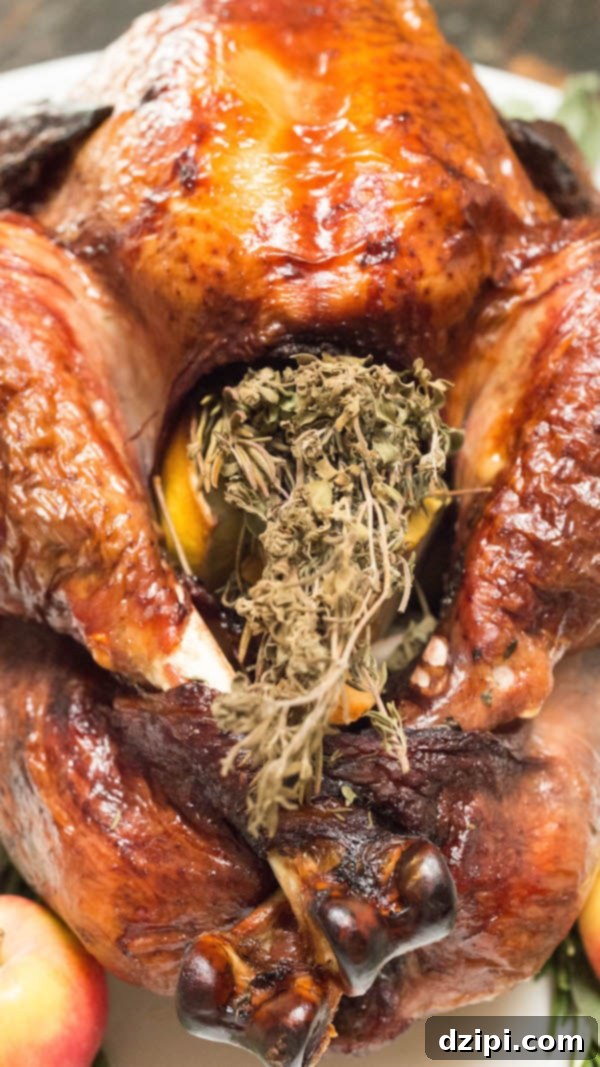
Transform your holiday feast with the ultimate centerpiece: a perfectly brined, succulent turkey infused with the rich essence of red wine. This extraordinary red wine turkey brine recipe promises a bird that’s not only incredibly moist and tender but also boasts a stunning, deep golden-brown skin that will impress all your guests. Ideal for Thanksgiving, Christmas, or any special occasion, prepare to elevate your traditional turkey to an unforgettable culinary experience.
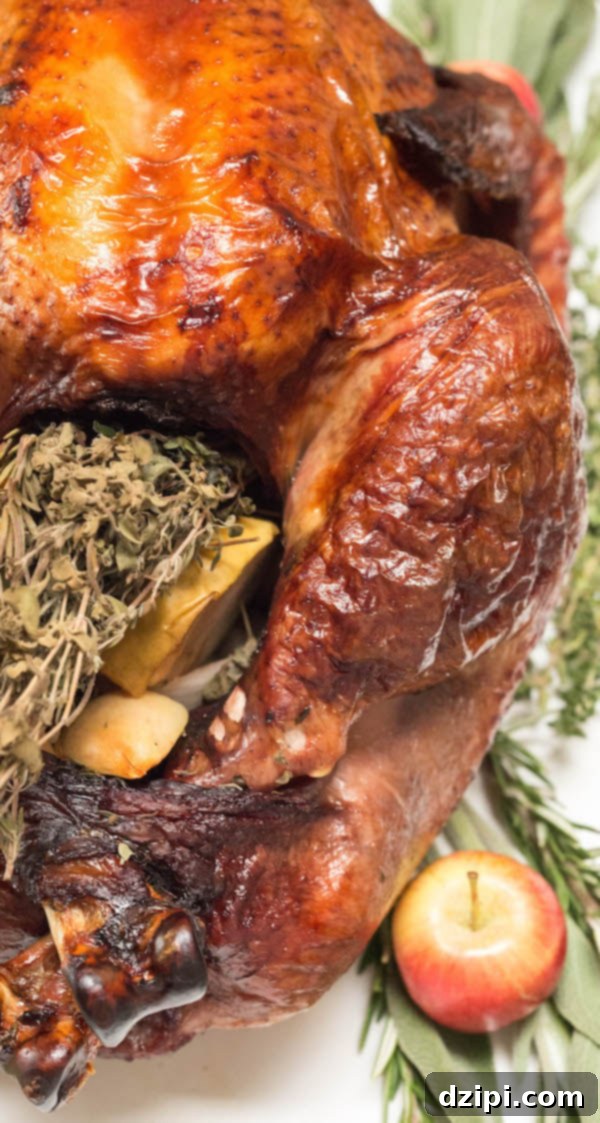
For years, this red wine brined turkey has been the star of my holiday table, a tradition eagerly anticipated by friends and family alike. It’s more than just a recipe; it’s a guaranteed path to a show-stopping turkey that consistently delivers on flavor, moisture, and presentation.
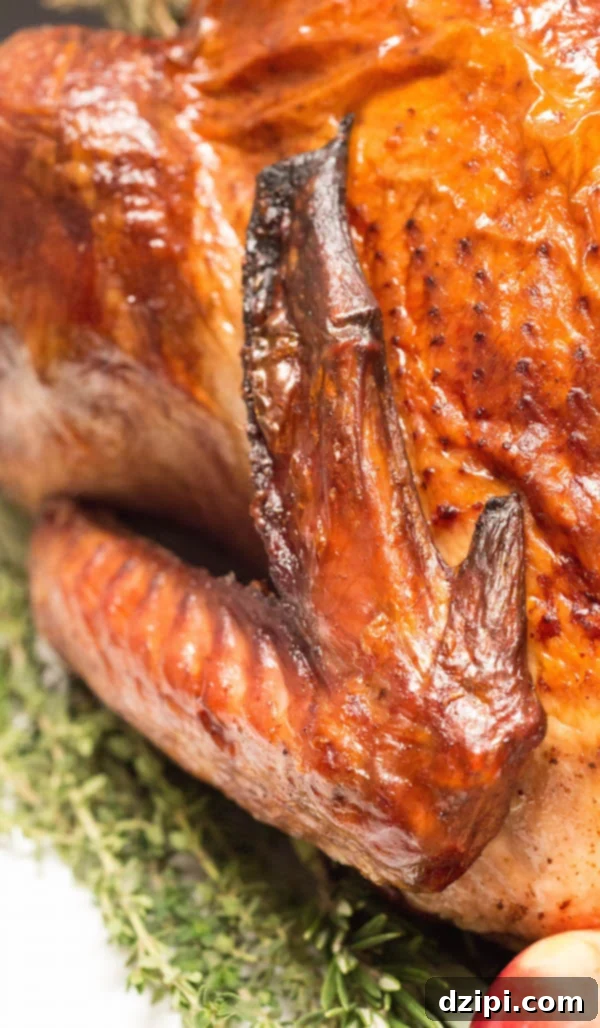
This brine is arguably the most flavorful I’ve ever encountered. The red wine, combined with aromatic spices and fresh herbs, works magic, ensuring every bite of your turkey is incredibly juicy and tender. Beyond its tenderizing power, the red wine naturally contributes to a gorgeous, burnished golden-brown skin, making your turkey a true feast for the eyes as well as the palate.
The Magic Behind Red Wine Turkey Brine Ingredients
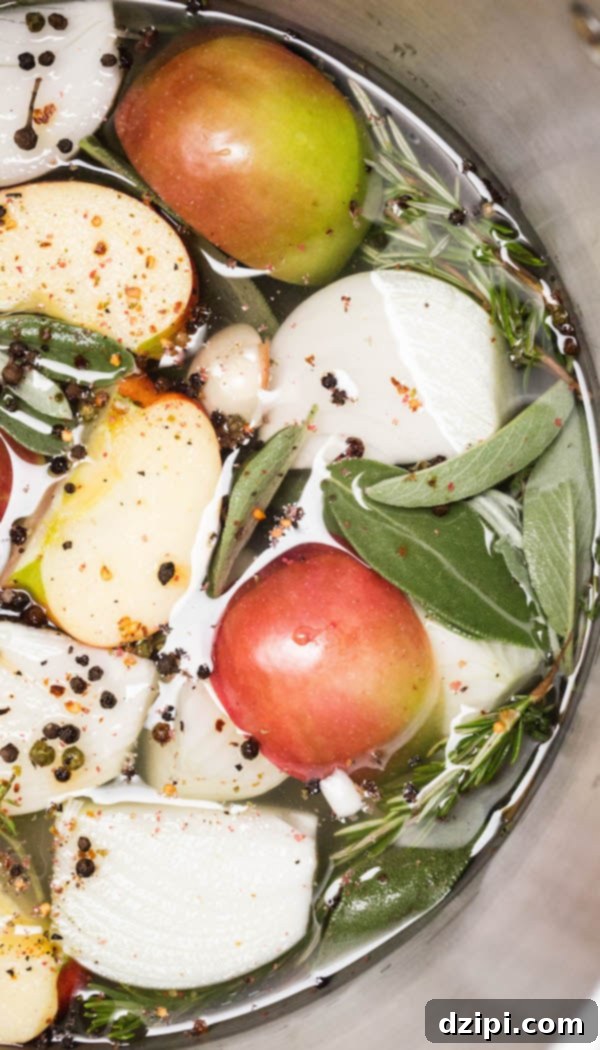
Crafting this exceptional red wine brine requires a carefully selected blend of ingredients, each playing a vital role in achieving that perfect, flavorful bird. While some elements are staples in any good brine, the addition of red wine, apples, and specific herbs truly sets this recipe apart.
- Red Wine (dry, inexpensive blend recommended)
- Water (as the primary liquid base)
- Apples (for subtle sweetness and aroma)
- Onions (for a robust, savory foundation)
- Garlic (essential aromatic flavor)
- Fresh Sage (classic poultry herb)
- Fresh Thyme (earthy, aromatic notes)
- Fresh Rosemary (piney, strong flavor profile)
- Black Peppercorns (mild spice and depth)
- Kosher Salt (the key to tenderization and moisture retention)
- Brown Sugar (for balance and caramelization)
Choosing Your Red Wine for Brining
Yes, this red wine brine recipe does call for two bottles of red wine. But remember, it’s the holidays, and a truly exceptional turkey is worth it! The good news is that you don’t need to splurge on an expensive vintage. In fact, using an inexpensive, dry red wine blend is perfectly acceptable—and highly recommended. Save your premium bottles for sipping alongside the finished masterpiece! I often opt for a red wine blend that my local grocery store sells for under $10 a bottle; its robust flavor is perfect for infusing the turkey without breaking the bank. Good choices include Merlot, Cabernet Sauvignon, or a Zinfandel for a slightly fruitier note.
Selecting Apples and Onions
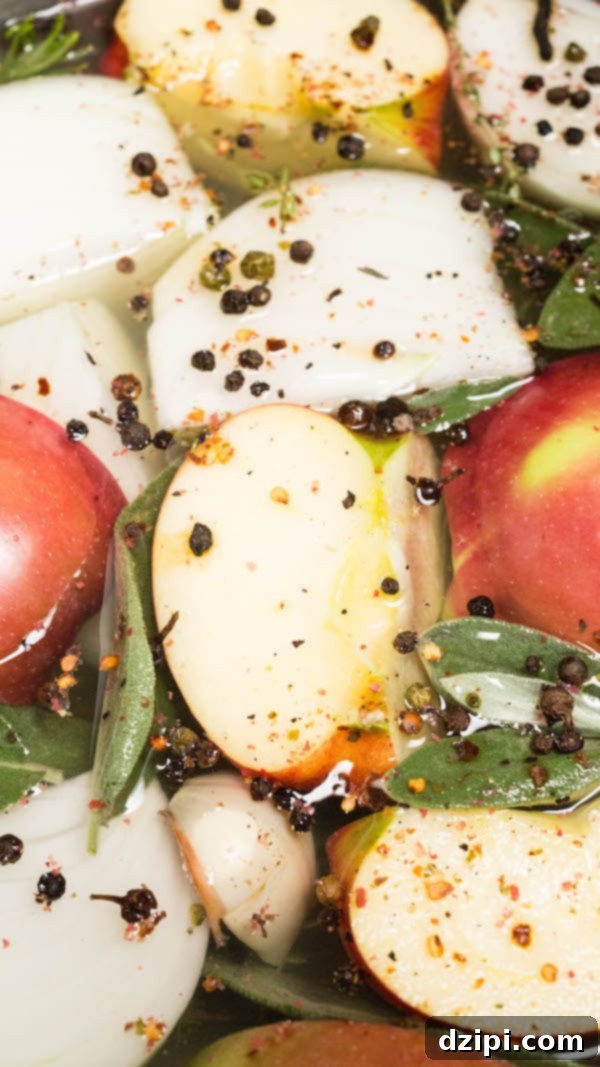
For the apples, feel free to use any variety you prefer, though a firmer apple like Honeycrisp, Fuji, or even Granny Smith will hold its shape better and impart a lovely, subtle sweetness to the brine. The McIntosh apples featured in the photos are a great example of a variety that works well. Their slight tartness balances the richness of the wine and other aromatics.
Regarding onions, both yellow and white varieties will work beautifully, but I lean towards white onions. Their more potent, pungent flavor really shines through in the brine, adding a depth that complements the other ingredients perfectly. Quartering them allows their flavors to release slowly and steadily during the brining process.
Herbs and Spices for a Rich Aroma
This brine incorporates classic poultry herbs: fresh thyme, sage, and rosemary. These herbs not only infuse the turkey with their distinct, fragrant profiles but also contribute to that quintessential holiday aroma that fills your home. If you have a particular fondness for other herbs like marjoram, feel free to add it, or omit any herb you dislike. The peppercorns add a mild, earthy spice that rounds out the flavor profile without overpowering the delicate turkey meat.
Crafting Your Red Wine Turkey Brine: Step-by-Step
Making the brine is the first crucial step to ensure your turkey is packed with flavor. It’s a simple process, but allowing the brine to cool completely is paramount for food safety and optimal results.
To begin, combine all the brine ingredients, *except for the red wine*, in a very large stockpot. Bring this mixture to a rolling boil, allowing it to simmer for just one minute. This brief boil helps dissolve the salt and sugar and extracts the maximum flavor from the apples, onions, garlic, and herbs. Immediately turn off the heat and let the brine cool completely to room temperature. This cooling step is non-negotiable; adding a warm brine to your raw turkey can compromise food safety and start to cook the turkey prematurely.
How To Brine Your Turkey with Red Wine for Maximum Flavor
Once your brine has thoroughly cooled, it’s time for the turkey to take its flavorful soak. This step is where the magic truly begins, as the turkey absorbs the rich flavors and moisture from the red wine brine.
You’ll need a container large enough to fully submerge your turkey. A large stockpot is ideal, but a food-safe brining bag or a clean, extra-large cooler (ensure it’s spotless and used *only* for brining) can also work. During my college years, a sturdy turkey bag was my go-to for convenience and space-saving!
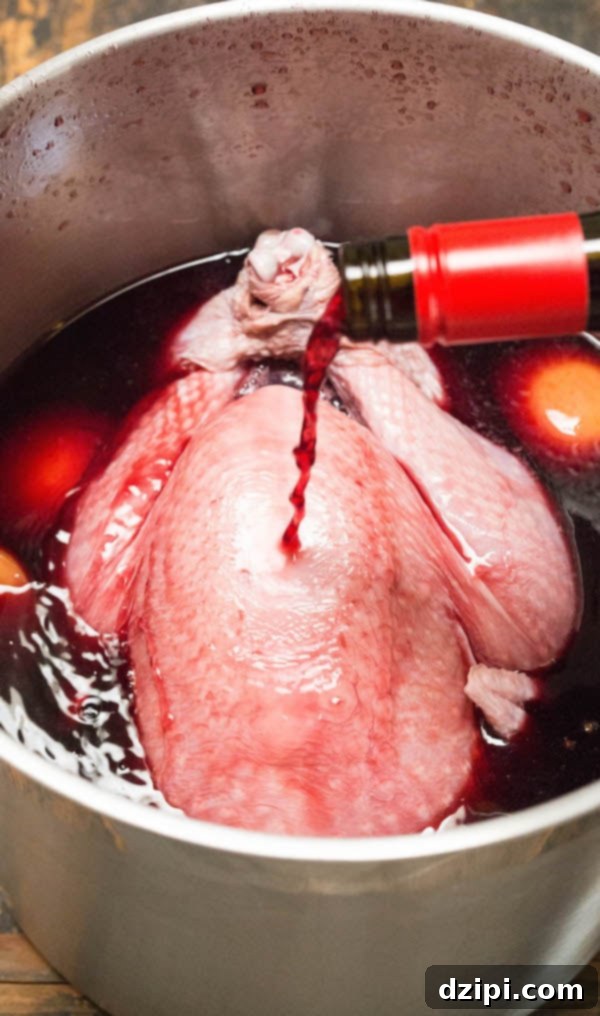
Carefully place your thawed turkey into your chosen container. Pour the cooled brine mixture over the turkey, then add the two bottles of red wine. It’s essential that the turkey is completely covered by liquid. If it isn’t, add additional cold water until the turkey is fully submerged. Cover the container tightly with a lid or seal the brining bag, then place it in the refrigerator. Allow the turkey to brine for a full 48 hours. This extended brining time ensures deep flavor penetration and exceptional juiciness. Remember, proper refrigeration throughout the brining process is critical for food safety.
This content may contain affiliate links, meaning we earn a small commission at no extra cost to you if you make a purchase. For more details, please refer to our disclosure policy.
Achieving the Ultimate Crispy Turkey Skin
For many, the hallmark of a perfectly roasted turkey is its gloriously crispy skin. While brining keeps the meat moist, there’s a specific trick to achieving that irresistible crackly skin. The secret lies in drying the turkey thoroughly before it ever sees the oven.
After your turkey has completed its 48-hour brine, remove it from the solution and place it on a baking sheet. Do not cover it. Transfer the baking sheet (with the uncovered turkey) to your refrigerator the night before you plan to cook it. This allows the cold air to circulate around the turkey, drying out the skin without drying out the meat.
The next day, just before roasting, pat the turkey thoroughly dry with paper towels. Pay extra attention to all crevices and under the wings. This crucial step removes any residual moisture from the surface, which is key to ensuring your turkey’s skin transforms into a beautiful, crispy, golden-brown crust, rather than turning tough or chewy. For an even crispier result, you can also rub a thin layer of butter or oil over the skin before roasting.
What to Stuff and Inject Your Turkey With for Enhanced Flavor
Selecting the Perfect Turkey Stuffing
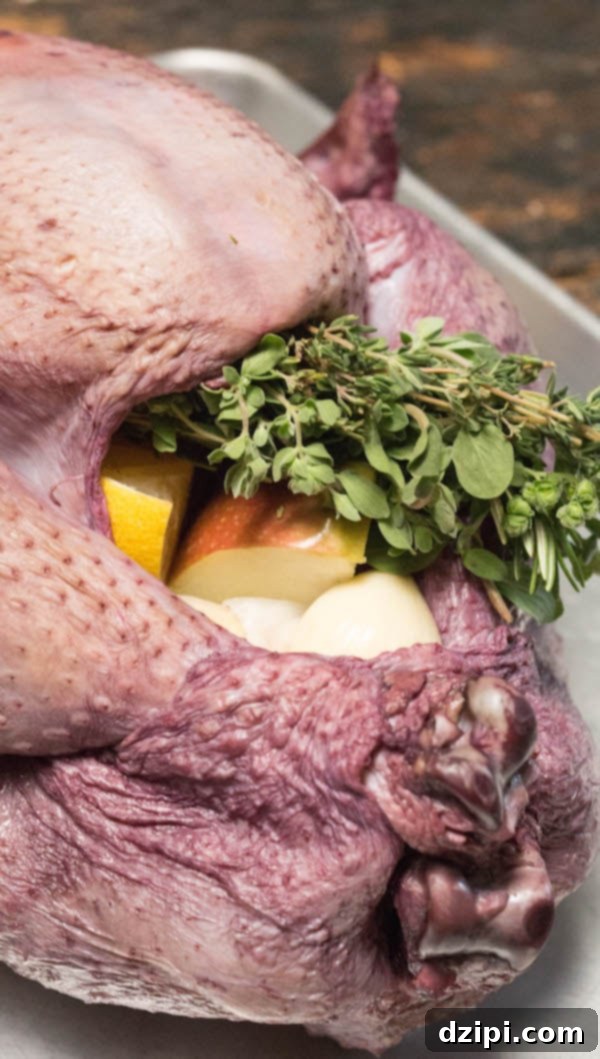
When it comes to stuffing your turkey’s cavity, the goal is twofold: to help keep the meat moist and to infuse it with subtle, complementary flavors. For this red wine turkey, I recommend a fragrant blend of quartered apples, onions, lemons, and fresh poultry herbs (such as rosemary, thyme, and marjoram). These aromatics release steam and essences during roasting, contributing an incredible depth of flavor to the meat from the inside out. Be careful not to overstuff the cavity, as this can impede air circulation and lead to uneven cooking.
The Art of Injecting Your Turkey
To ensure maximum flavor and juiciness throughout the turkey, especially in larger birds, injecting can make a significant difference. You want to inject a mixture that will tenderize the meat and add an extra layer of flavor. For this recipe, a simple yet highly effective combination of white wine and soy sauce works wonders. The white wine adds moisture and a delicate acidity, while the soy sauce contributes umami and helps in browning. Use a meat injector to distribute this mixture evenly into the breast, thighs, and drumsticks. This step ensures that every part of the turkey is incredibly flavorful and succulent.
Mastering Oven Roasting for a Perfect Turkey
Roasting a turkey can seem daunting, but with the right tools and techniques, you can achieve a perfectly cooked, golden-brown bird. Here’s a comprehensive guide to roasting your red wine brined turkey in the oven.
Choosing Your Roasting Pan
For oven roasting, a large, sturdy roasting pan is essential. I personally rely on a heavy-duty roasting pan with a rack, which allows for even heat circulation and helps the skin crisp up beautifully. If you don’t have one, any large and deep oven-safe pan will work. Disposable turkey pans are also a convenient option for easy cleanup, especially during busy holidays.
Optimal Oven Placement for Even Cooking
For the best results, your turkey should cook directly in the middle of your oven. This ensures that the heat circulates evenly around the bird, preventing one side from cooking faster than the other. I typically remove one oven rack and position the other rack precisely in the center before placing my roasting pan there. This setup promotes consistent cooking and browning.
Ideal Roasting Temperature
Whole turkeys generally cook best within a temperature range of 325°F (160°C) to 350°F (175°C). For this red wine turkey, I’ve found that 350°F (175°C) yields a beautifully roasted bird with crispy skin and juicy meat. A lower temperature ensures slow, even cooking, while a slightly higher temperature like 350°F encourages browning.
Determining Cooking Time Per Pound
A general rule of thumb for roasting a whole turkey is approximately 20 minutes per pound. However, this can vary based on your oven, the turkey’s initial temperature, and whether it’s stuffed. Always use a meat thermometer for accuracy rather than relying solely on time.
Knowing When Your Turkey is Ready
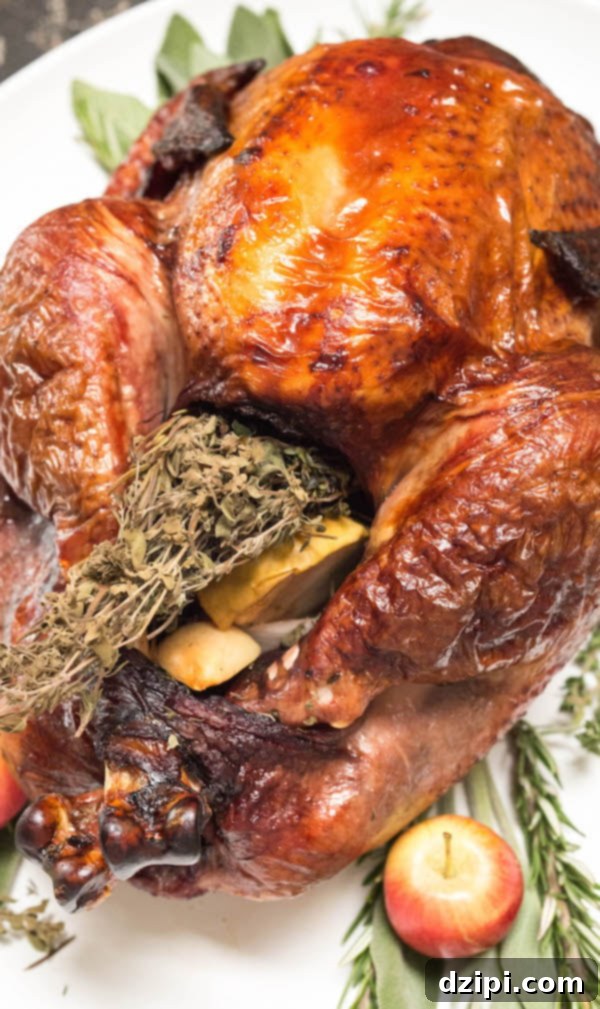
The turkey is perfectly cooked when its skin is deeply browned and crispy, and the internal temperature, measured in the thickest part of the thigh, reaches 165°F (74°C). It’s crucial to use a reliable meat thermometer for an accurate reading. Juices should also run clear when the thigh is pierced.
Where to Place the Thermometer
To accurately check if your turkey is done, insert a meat thermometer into the thickest part of the thigh, making sure not to touch the bone. The thigh is the last part of the turkey to cook, so if it’s done, the rest of the bird should be too. If you’ve also stuffed the turkey, check the stuffing’s temperature, ensuring it also reaches 165°F (74°C).
Resting Your Turkey: A Crucial Step
Once your turkey reaches the target internal temperature, remove it from the oven and allow it to rest, loosely tented with foil, for at least 15-30 minutes before carving. This resting period is critical as it allows the juices to redistribute throughout the meat, ensuring a truly moist and tender turkey. Carving too soon will result in juices running out, leading to a drier bird.
More Delicious Turkey & Thanksgiving Recipes
Looking for more ways to enjoy turkey or complete your holiday spread? Here are some fantastic recipes that complement this red wine turkey beautifully, or offer exciting alternatives.
Alternative Turkey Recipes
- Sriracha Beer Cajun Turkey: For those who love a spicy kick!
- Sweet Tea Brined Turkey Breast: A Southern-inspired, subtly sweet option perfect for smaller gatherings.
Essential Thanksgiving Sides & Desserts
- Thanksgiving Turkey Meat & Cheese Platter: A delightful appetizer while the main course cooks.
- Secret Ingredient Sweet Potatoes: A must-have side dish that will surprise and delight.
- Holiday Cranberry Compote: The perfect sweet-tart accompaniment to your turkey.
- 4 Ways To Make Fall Mimosas: Festive drinks to celebrate the season.
- Pumpkin Pie Ice Cream Sundaes: A creative and delicious twist on classic pumpkin pie.
Creative Recipes To Use Up Leftover Turkey
Don’t let any of that delicious red wine turkey go to waste! Here are some innovative ways to transform your leftovers:
- Thanksgiving Leftovers Pizza: A fun and customizable way to repurpose your holiday meal.
- Thanksgiving Leftovers Monte Cristo: An indulgent sandwich that elevates leftover turkey.
- Thanksgiving Leftovers Crunchwrap: A delightful and easy-to-make meal for the day after.
Red Wine Turkey Brine Recipe
Achieve the juiciest, most flavorful, and beautifully browned turkey ever with this red wine brine recipe! Perfect for Thanksgiving, Christmas, or any special holiday dinner.
Prep Time: 2 days (for brining)
Cook Time: 3 hours (approximate)
Servings: 10

Ingredients
Red Wine Turkey Brine
- 12 Cups Water
- 3/4 Cup Kosher Salt
- 1/3 Cup Brown Sugar
- 2 Apples, quartered
- 2 Onions, quartered
- 3 Garlic Cloves, peeled & smashed
- 3/4 ounce (or one small bunch) Fresh Rosemary
- 3/4 ounce (or one small bunch) Fresh Thyme
- 3/4 ounce (or one small bunch) Fresh Sage
- 1 Tablespoon Black Peppercorns
- 2 Bottles (750ml each) Dry Red Wine
For the Turkey
- 1 Whole Turkey, completely thawed
- 1/2 Cup White Wine (for injecting)
- 1/4 Cup Soy Sauce (for injecting)
- 1 Apple, quartered (for stuffing)
- 1 Onion, quartered (for stuffing)
- 1 Lemon, quartered (for stuffing)
- 2 Cloves Garlic (for stuffing)
- 1 Poultry Herb Bundle (e.g., thyme, rosemary, marjoram) (for stuffing)
- 6 tablespoons Butter, melted (for basting)
Instructions
- Thaw Turkey: If your turkey is frozen, ensure it is completely thawed. This typically requires about 24 hours per 5 pounds in the refrigerator.
- Prepare Brine Base: In a large stockpot, combine the water, salt, brown sugar, quartered apples, quartered onions, smashed garlic, fresh rosemary, thyme, sage, and peppercorns. Bring the mixture to a boil and let it boil for approximately 1 minute. Turn off the heat and allow the brine to cool completely to room temperature. This is crucial for food safety.
- Brine the Turkey: Once the brine has cooled, carefully place the thawed turkey into the stockpot with the cooled brine. Pour in the two bottles of red wine. Ensure the turkey is fully submerged; if not, add more cold water until it is. Cover the stockpot with a lid and refrigerate for 48 hours to brine.
- Dry the Turkey for Crispy Skin: The night before you plan to cook, remove the turkey from the brine. Place it on a baking sheet, uncovered, and return it to the refrigerator. This step is essential for achieving wonderfully crispy skin.
- Prepare for Roasting: When you are ready to cook, preheat your oven to 350°F (175°C). Prepare the injection marinade by mixing the white wine and soy sauce together. Using a meat injector, inject this mixture all over the turkey, focusing on the breast and thighs. Stuff the turkey’s cavity with the quartered apple, onion, lemon, garlic cloves, and poultry herb bundle.
- Roast the Turkey: Pat the turkey’s skin thoroughly dry with paper towels. Place the turkey in a large roasting pan. Baste the entire surface of the turkey with melted butter. Place the roasting pan on the middle rack of your preheated oven.
- Monitor & Baste During Roasting: Roast the turkey for approximately 20 minutes per pound. About 90 minutes into roasting, baste the turkey with more melted butter. Keep a close eye on the turkey’s skin; if it begins to brown too quickly, loosely tent it with aluminum foil to prevent burning.
- Check for Doneness & Rest: The turkey is done when the internal temperature, measured in the thickest part of the thigh (without touching bone), reaches 165°F (74°C). Remove the turkey from the oven and allow it to rest, loosely tented with foil, for at least 15 minutes before carving. This resting period allows the juices to redistribute, ensuring a tender and moist turkey.
Nutrition
Calories: 400kcal (20% Daily Value)
Author: Jessica Pinney
Did you make this recipe?
Please tag @cookingwithjanica on Instagram! We’d love to see!