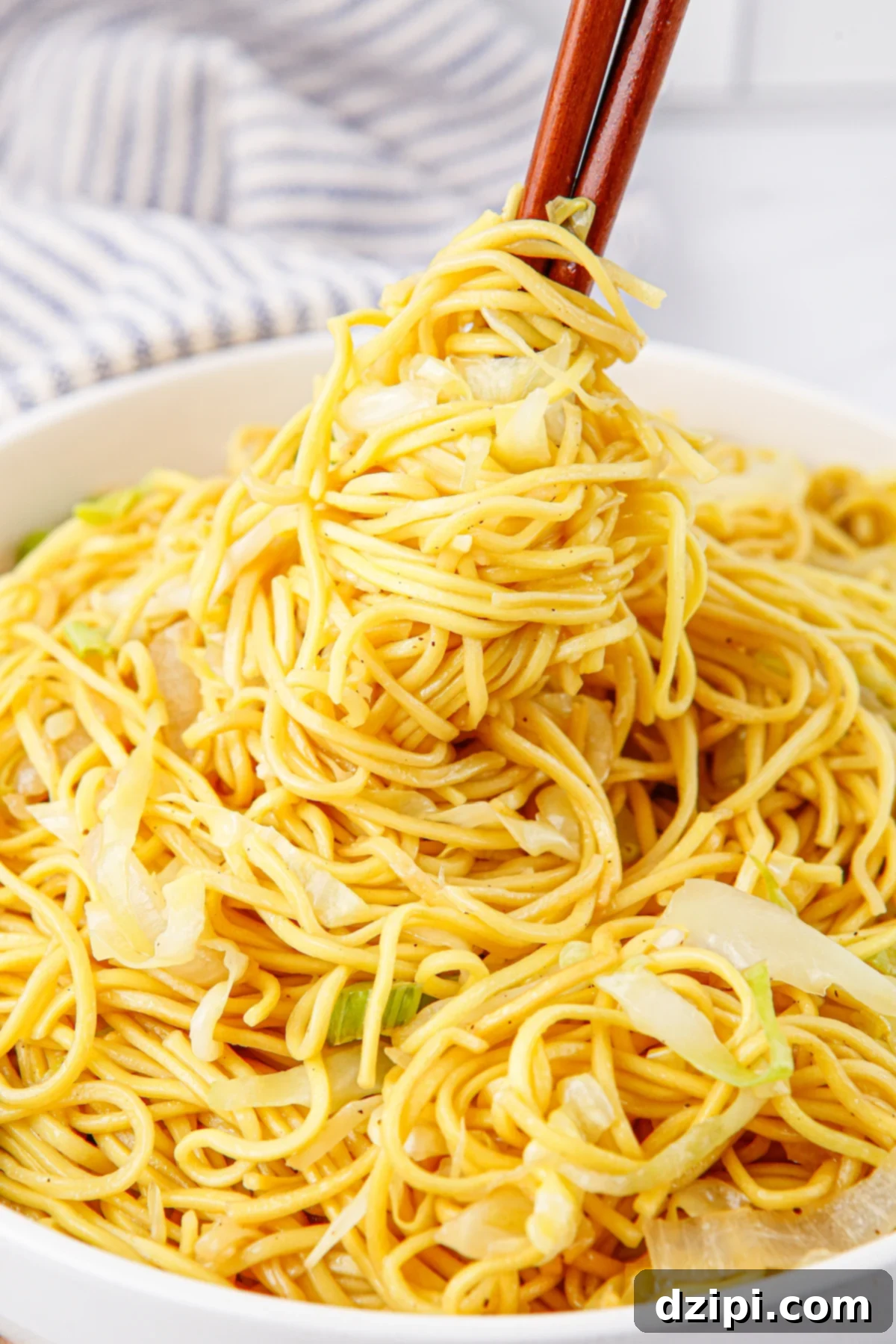
Save money, save time, and savor authentic flavors by crafting this incredible copycat version of the beloved Chow Mein from Panda Express. This recipe comes together in under 20 minutes, offering a quick, affordable, and incredibly delicious alternative to takeout.
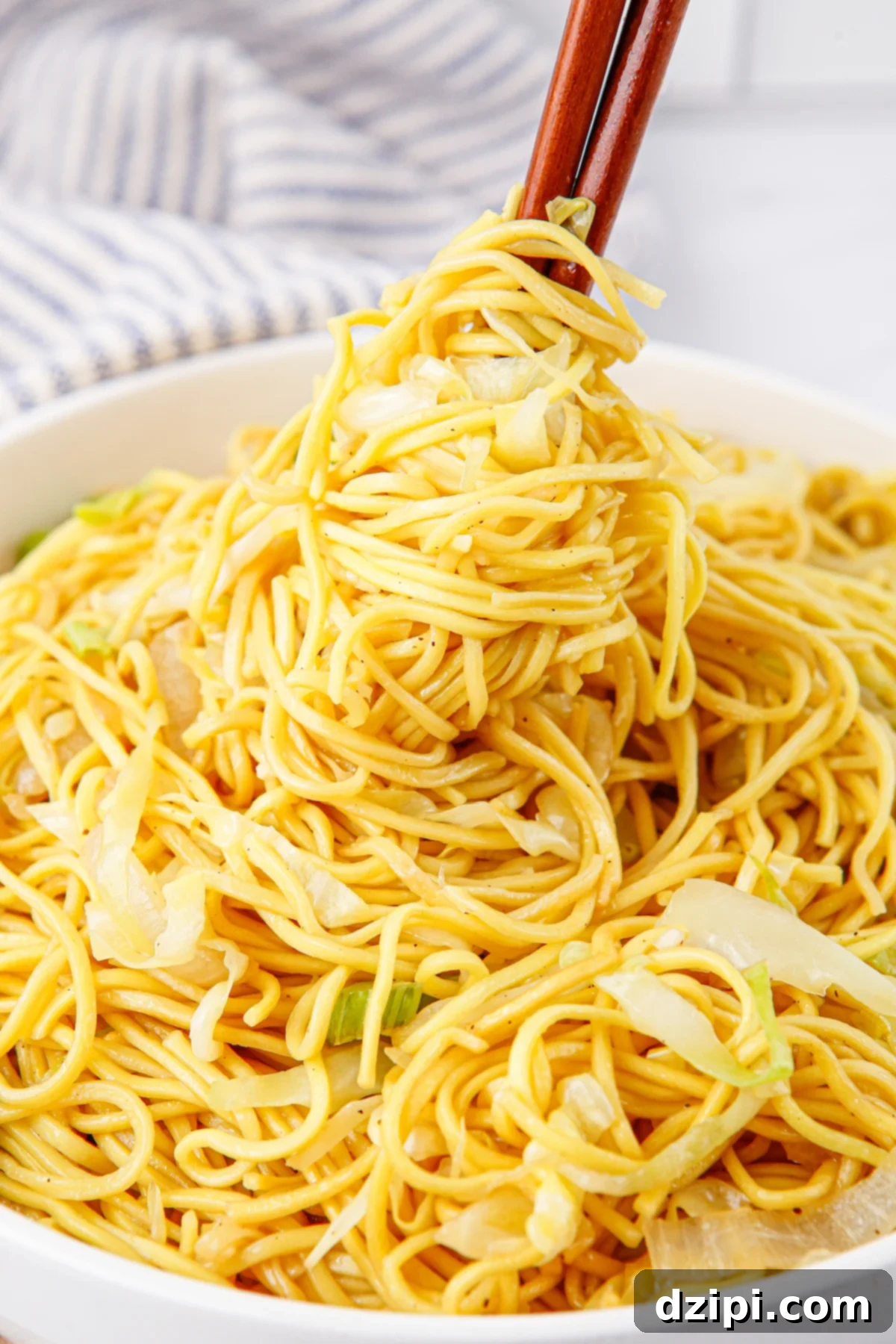
If the irresistible aroma of Panda Express Chow Mein often lures you into their doors, then this homemade recipe is about to become your new kitchen staple! We all love the convenience of grabbing takeout, but frequent trips can quickly deplete your wallet and derail your healthy eating aspirations.
That’s precisely why I embarked on a journey to recreate my most cherished restaurant dishes right in my own kitchen. The satisfaction of mastering a beloved flavor profile at home, while simultaneously saving money and controlling ingredients, is truly rewarding. For instance, I’ve saved countless dollars over the years by whipping up a copycat Starbucks matcha latte almost every morning, a habit that has paid dividends both financially and health-wise.
Lately, my culinary focus has shifted to replicating some of my favorite fast-casual meals. Panda Express holds a special place as a “guilty pleasure” for me and many of my friends. Given its popularity and widespread appeal, I decided to tackle one of their most iconic and universally loved items first: the Chow Mein. This simple yet incredibly flavorful noodle dish is a cornerstone of American Chinese cuisine, and I’m thrilled to share a recipe that brings that authentic taste directly to your table.
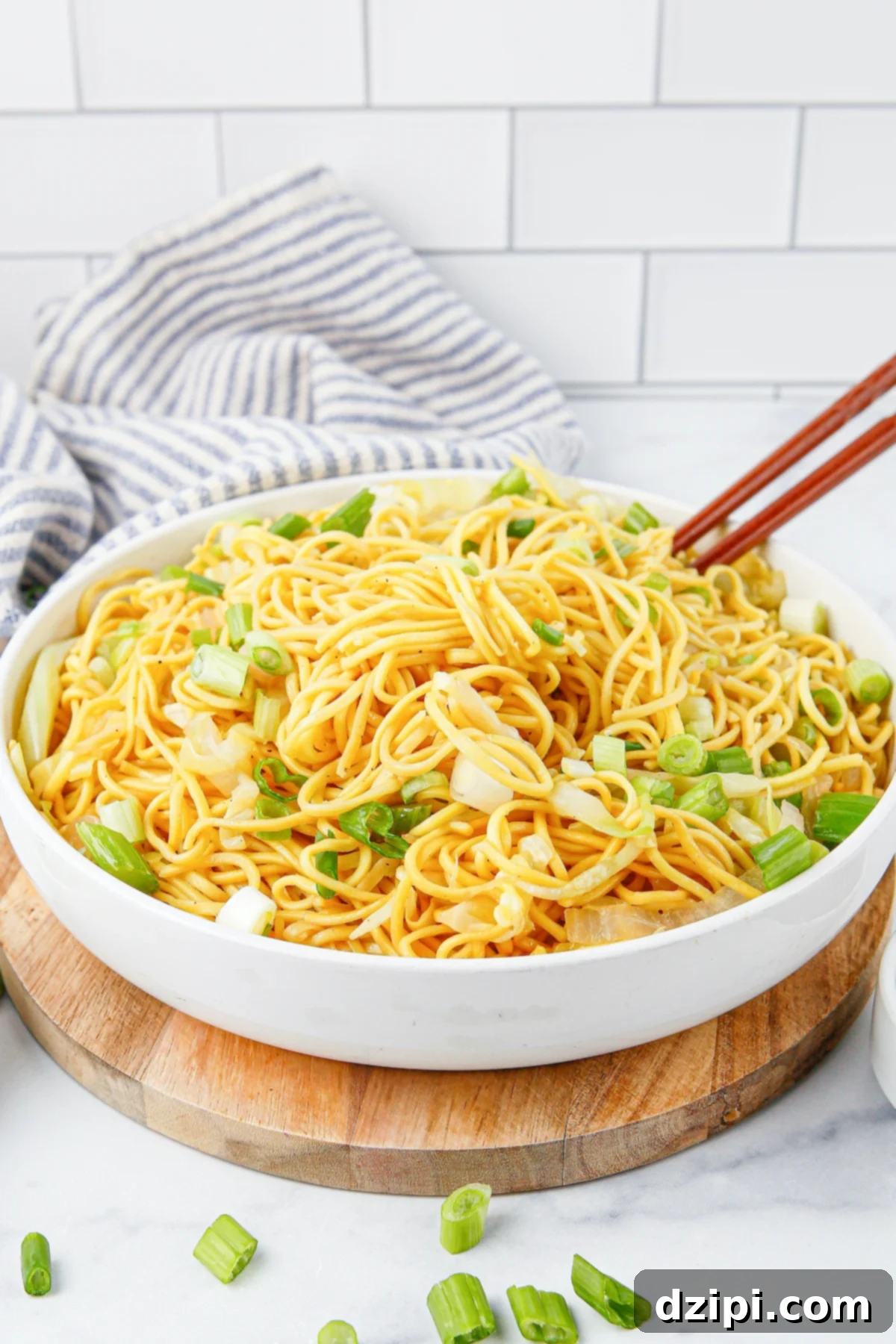
What Exactly Is Panda Express Chow Mein?
At its heart, Panda Express Chow Mein is a straightforward yet incredibly satisfying stir-fried noodle dish, featuring tender noodles expertly tossed with crisp vegetables and a savory, slightly sweet sauce. While it’s typically served as a delightful side dish with combo plates at the restaurant, its versatility means you can effortlessly elevate it into a complete main course by simply adding your preferred protein.
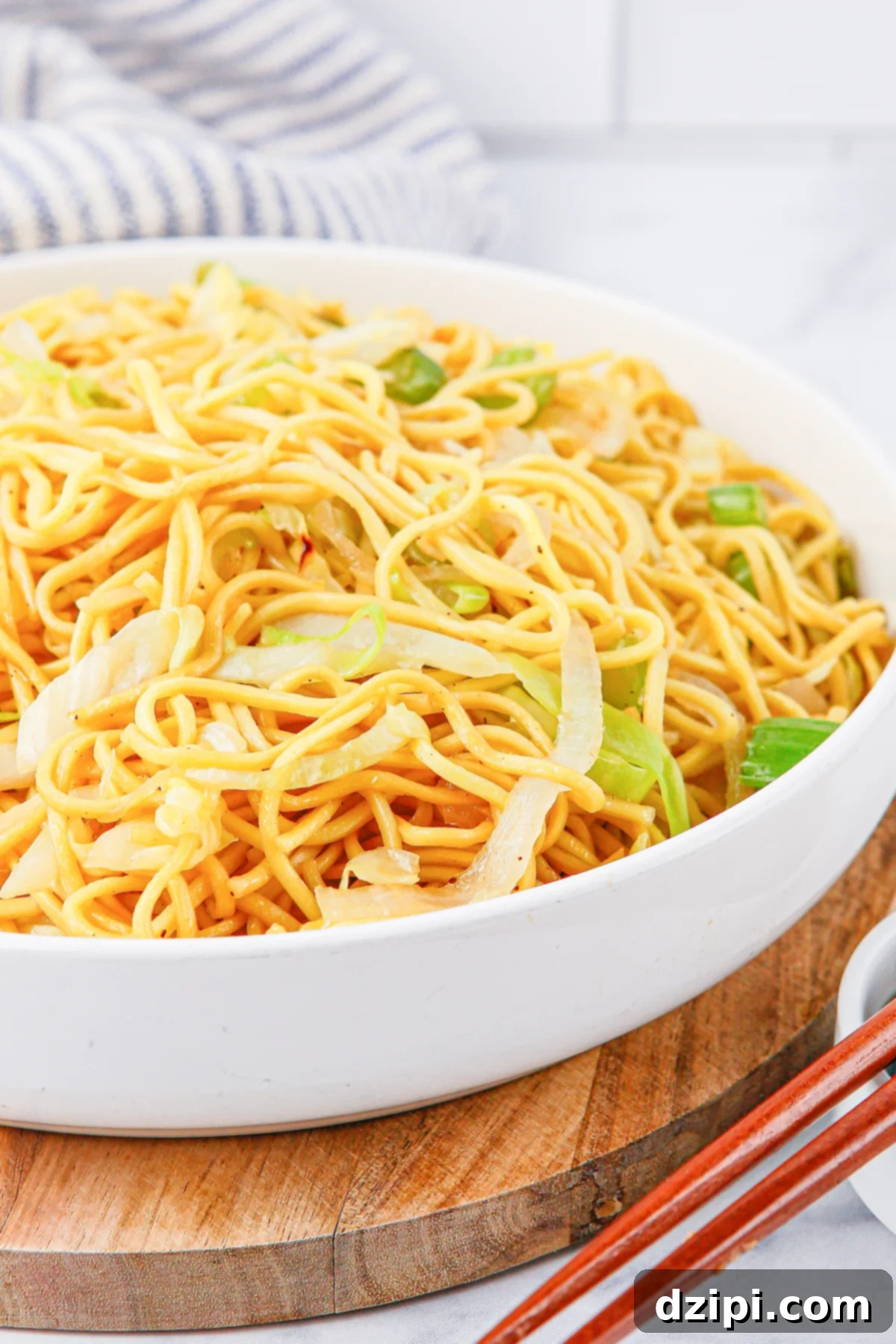
For those unfamiliar with its distinct flavor profile, imagine a symphony of tastes: the sauce offers a rich, umami savoriness, perfectly complemented by a subtle hint of sweetness from brown sugar, all balanced by the comforting saltiness of soy sauce. The noodles themselves possess a wonderfully soft and slightly oily texture, which harmonizes beautifully with the satisfying crunch of sautéed cabbage and crisp celery. It’s this delightful interplay of textures and flavors that makes Panda Express Chow Mein so irresistibly appealing.
I absolutely adore this dish not only for its incredible taste but also because it comes together remarkably quickly and is virtually foolproof. It’s a fantastic option for busy weeknights, offering a delicious meal without a lengthy cooking process. Moreover, if you’re planning to feed a large family or a gathering of friends, this recipe proves to be an exceptionally budget-friendly choice, ensuring everyone gets a satisfying and flavorful meal without breaking the bank.
Why Make Chow Mein at Home? The Benefits Are Endless!
Beyond the sheer joy of replicating a restaurant favorite, preparing Panda Express Chow Mein at home offers a multitude of advantages:
- Cost Savings: Dining out, especially at popular fast-casual spots, can add up quickly. Making chow mein from scratch drastically cuts down on expenses, allowing you to enjoy this flavorful dish more often without the guilt.
- Health Control: When you cook at home, you’re in charge of the ingredients. You can opt for fresh, high-quality vegetables, choose low-sodium soy sauce, and control the amount of oil and sugar, making it a healthier alternative to its takeout counterpart.
- Customization Options: The beauty of homemade chow mein lies in its adaptability. You can easily adjust the sauce to your preferred level of sweetness or saltiness, add more of your favorite vegetables, or incorporate a protein of your choice.
- Convenience and Speed: This recipe is designed for efficiency, coming together in less than 20 minutes. It’s faster than ordering takeout and waiting for delivery or pickup, making it perfect for those hectic evenings.
- Freshness Guaranteed: Enjoying a freshly cooked meal is always a treat. Your homemade chow mein will be vibrant, hot, and bursting with flavors that store-bought versions often lack.
Ingredients for Perfect Panda Express Chow Mein
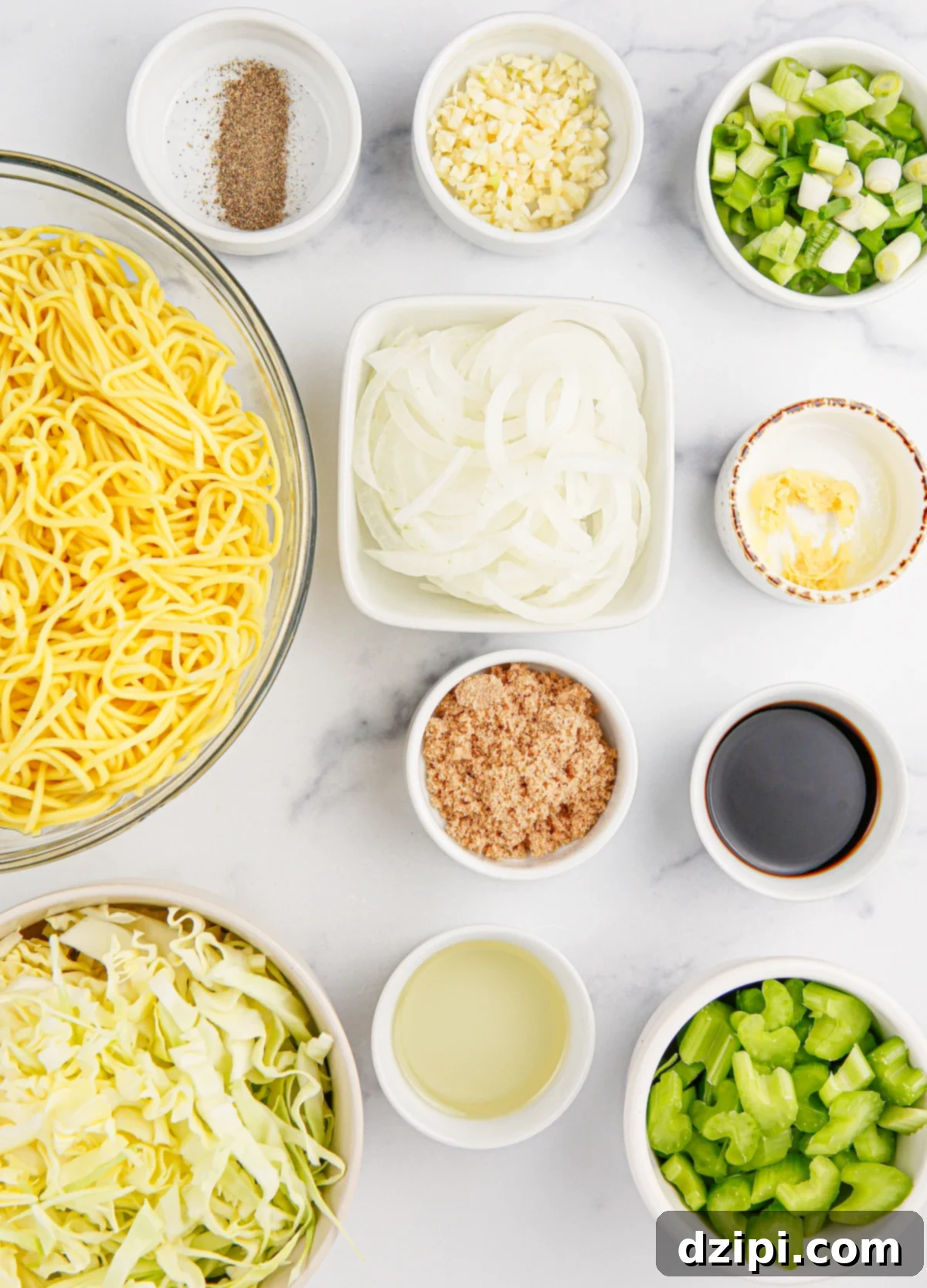
Crafting this copycat chow mein requires a handful of accessible ingredients, each playing a crucial role in achieving that authentic flavor and texture. Here’s a detailed look at what you’ll need:
- Noodles: The star of the show! I highly recommend using Chuka Soba Stir-Fry Noodles for their authentic texture and chewiness. These are commonly labeled as “chow mein noodles” in Asian markets or the international aisle of larger supermarkets. It’s absolutely essential to prepare your noodles precisely according to the package instructions before you begin cooking the rest of the recipe. This usually involves boiling them briefly until al dente, then draining and rinsing them to prevent sticking. Proper noodle preparation is key to a great chow mein.
- Garlic: Freshly minced garlic is non-negotiable for the best, most aromatic flavor. Avoid pre-minced jarred garlic if possible, as it often lacks the pungency and depth that fresh garlic provides. You’ll truly taste the difference!
- Ginger: Just like garlic, fresh ginger offers a vibrant, spicy warmth that is fundamental to Chinese stir-fries. Grate it finely for even distribution. If fresh ginger isn’t available, a good quality ginger paste can be a convenient substitute, though fresh is always superior.
- Soy Sauce: This forms the backbone of our savory sauce. I prefer using Kikkoman’s less sodium version to better control the overall saltiness of the dish. If you only have regular soy sauce, you might want to slightly reduce the amount used and taste as you go.
- Brown Sugar: A touch of brown sugar is vital for balancing the saltiness of the soy sauce and imparting that subtle, characteristic sweetness found in Panda Express Chow Mein. It also helps to create a glossy finish on the noodles.
- Black Pepper: Finely ground black pepper adds a mild kick and rounds out the savory profile of the sauce. Freshly ground pepper will offer the most flavor.
- Oil: For stir-frying, oils with a high smoke point are best. Canola oil or vegetable oil are excellent neutral choices. I’ve also had fantastic results using avocado oil for its high smoke point and healthy fats. For an added layer of authentic flavor, a drizzle of sesame oil at the very end can elevate the dish significantly, though it’s not strictly necessary for the copycat flavor.
- Cabbage: Green cabbage is traditionally used. You’ll need approximately a quarter of a medium head, thinly sliced. It adds a wonderful tender-crisp texture and a mild, sweet flavor when stir-fried.
- Onion: A yellow onion is my preference for its balanced flavor, but a white onion can be substituted if that’s what you have on hand. Thinly slice it for quick cooking and even distribution.
- Celery: Chopped celery stalks provide a distinct crunch and a fresh, slightly earthy note. Ensure they are chopped into uniform pieces to ensure they cook evenly and maintain their desired texture.
- Green Onions: These are primarily used as a fresh, aromatic garnish, adding a touch of color and a mild oniony bite. While they enhance the presentation and flavor, you can omit them if they’re not available without compromising the core taste of the chow mein.
This post contains affiliate links, meaning that if you make a purchase through them, we may earn a small commission at no additional cost to you. Please see our disclosure for more information.
How To Make Copycat Panda Express Chow Mein: Step-by-Step
Creating this delicious chow mein is surprisingly simple, even for novice cooks. Follow these straightforward steps to achieve takeout-quality results in your home kitchen:
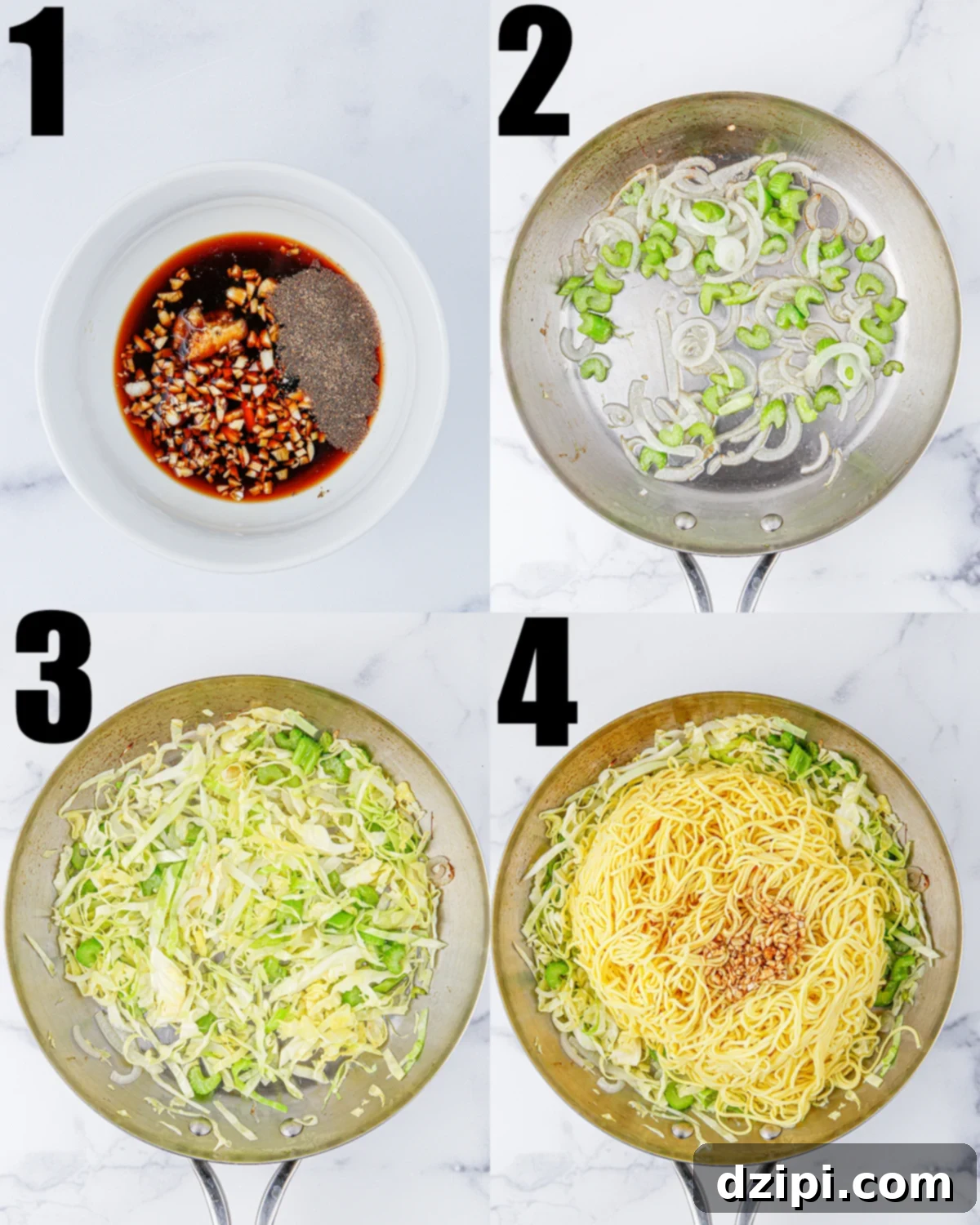
- Prepare the Sauce: In a small bowl, combine the soy sauce, brown sugar, minced garlic, grated ginger, and ground black pepper. Whisk these ingredients together until the sugar is fully dissolved and the sauce is well combined. Set this flavorful mixture aside as it will be added at the end.
- Sauté the Aromatics and Vegetables: Heat your chosen oil (canola, vegetable, or avocado) in a large skillet or wok over medium-high heat. Once the oil is shimmering, add the sliced celery and onions. Sauté them for 3-4 minutes, stirring frequently, until they begin to soften and become fragrant. The goal is to tenderize them slightly while still retaining a bit of their crispness.
- Add Cabbage: Next, add the thinly sliced cabbage to the skillet. Continue to cook for another few minutes, stirring occasionally, until the cabbage wilts and becomes tender-crisp. Be careful not to overcook, as you want the vegetables to retain some texture.
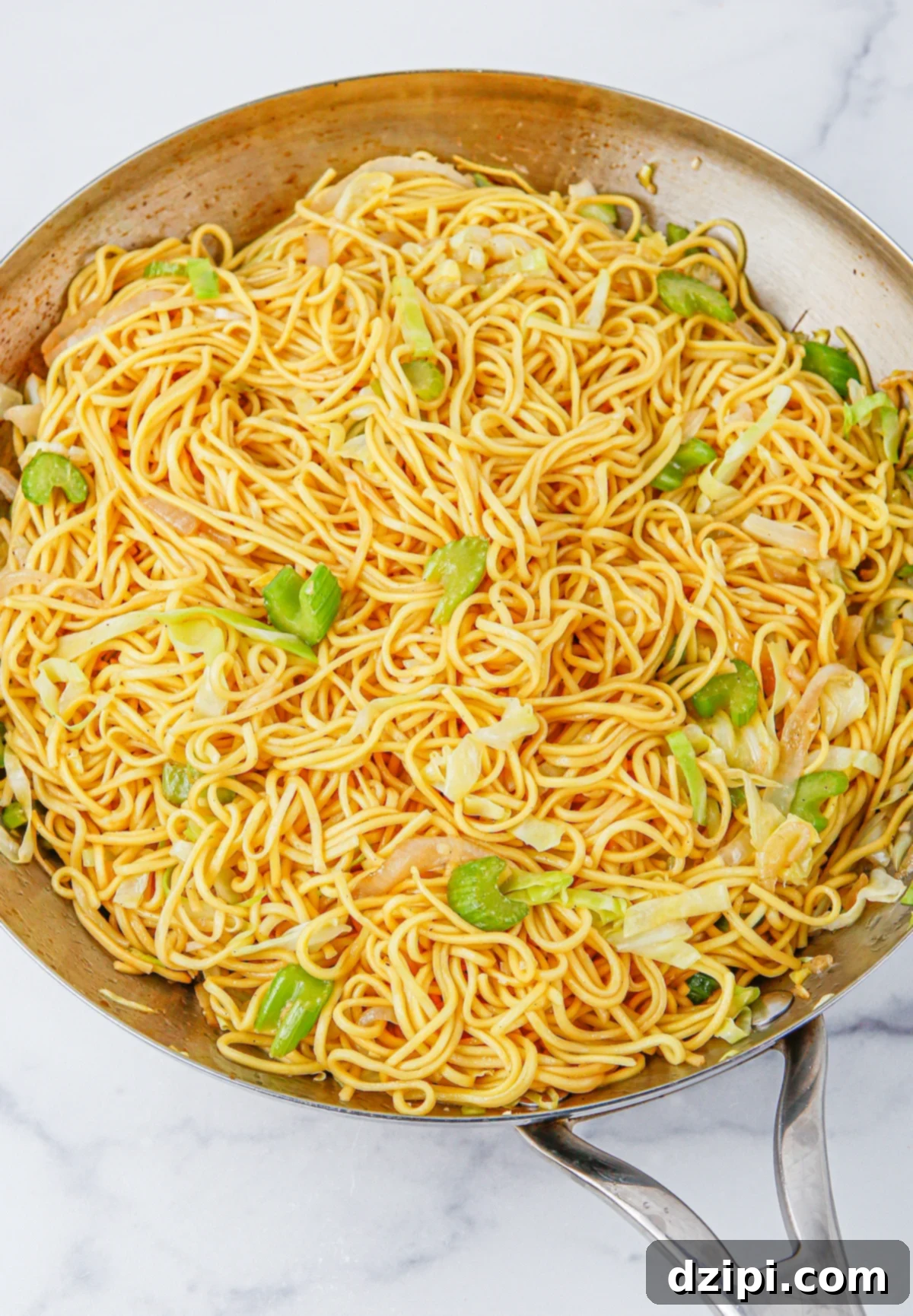
- Combine with Noodles and Sauce: Finally, add your pre-cooked and drained chow mein noodles to the skillet with the sautéed vegetables. Pour the prepared sauce mixture over everything. Using tongs, toss vigorously until all the noodles and vegetables are evenly coated with the savory sauce. This ensures every bite is packed with flavor. Cook for just 1-2 minutes more to allow the sauce to warm through and cling to the noodles. Remove from heat immediately to prevent overcooking the noodles.
- Garnish and Serve: Transfer the chow mein to serving bowls. Garnish generously with freshly sliced green onions for a pop of color and a fresh, mild oniony flavor. Serve hot and enjoy your homemade Panda Express creation!
Expert Tips and Customization for Your Homemade Chow Mein
While this recipe delivers a spot-on copycat, one of the best parts of cooking at home is the freedom to customize. Here are some tips to make this chow mein truly your own:
- Amp Up the Veggies: Don’t limit yourself to just cabbage, onion, and celery! This dish is incredibly versatile and welcomes a variety of additional vegetables. Consider adding thinly sliced carrots, colorful bell peppers, tender snow peas, crunchy baby corn, or florets of broccoli. For best results, add tougher vegetables like carrots and broccoli earlier in the sautéing process, and more delicate ones like snow peas towards the end to maintain their crispness.
- Introduce Protein Power: To transform this delightful side dish into a hearty main course, incorporate your favorite protein.
- Chicken: Thinly slice chicken breast or thighs and stir-fry them separately until cooked through, then add them back to the pan with the noodles.
- Beef: Use thinly sliced flank steak or sirloin. Marinate it briefly in a little soy sauce and cornstarch for extra tenderness before stir-frying.
- Shrimp: Quick-cooking shrimp, like in my hibachi shrimp recipe, are perfect. Sauté them until pink and opaque before adding to the chow mein.
- Tofu: For a vegetarian option, press extra-firm tofu, cut it into cubes, and pan-fry or bake until golden and crispy before tossing with the noodles.
- Fried Egg: A simple fried egg, chopped and mixed in, adds richness and extra protein.
- Spice It Up: If you enjoy a bit of heat, feel free to add a dash of your favorite hot sauce or a spoonful of chili crunch when tossing the noodles. A pinch of red pepper flakes during the sautéing process also works wonders.
- Extra Saucy? If you prefer your noodles to be more heavily coated in sauce, you can increase the soy sauce and brown sugar mixture slightly, ensuring to taste and adjust to your preference. Adding a tiny bit of cornstarch slurry (cornstarch mixed with water) to the sauce can also help it thicken and cling better to the noodles.
- Wok Hei (Breath of the Wok): While a home skillet works perfectly, a hot wok can impart a unique smoky flavor known as “wok hei.” If you have a wok, ensure it’s screaming hot before adding oil and ingredients to achieve this coveted taste. Cook in batches if necessary to avoid overcrowding the pan, which can steam rather than stir-fry.
Looking for more fantastic copycat recipe ideas to satisfy your cravings and save money? Other readers have raved about our incredible Zax sauce recipe, perfect for dipping, and our spot-on Crunchwrap Supreme, which brings the fast-food favorite right to your dinner table. These recipes are designed to be easy, delicious, and just as satisfying as their restaurant counterparts.
Leftovers: Storage and Reheating Tips
One of the great things about homemade chow mein is how well it stores, making it an excellent option for meal prep or enjoying for lunch the next day.
Storage
To keep your chow mein fresh and delicious, allow it to cool completely to room temperature before storing. Transfer any leftovers into an airtight container. Store it in the refrigerator, where it will remain fresh and flavorful for up to 3-4 days. This makes it a perfect dish for meal prepping throughout the week.
Reheat
Reheating chow mein properly helps maintain its texture and flavor. The best way to reheat is on the stovetop:
Heat a large skillet or wok over medium-high heat. Add a tiny drizzle of oil (about ½ to 1 teaspoon) to prevent sticking and refresh the noodles. Once the oil is hot, add the cold chow mein. Cook for 2-3 minutes, stirring frequently, until the noodles are heated through and regain their tender-crisp texture. If the noodles seem a bit dry, you can add a tiny splash of water or broth while reheating. Avoid reheating in the microwave if possible, as it can make the noodles soggy or rubbery.
Panda Express Chow Mein
Ingredients
- 12 oz chow mein noodles
- 2 garlic cloves, minced
- 1 teaspoon grated fresh ginger
- 3 tablespoons low sodium soy sauce
- 1 tablespoon brown sugar
- ½ teaspoon ground black pepper
- 3 tablespoons canola or olive oil
- 2 cups cabbage, thinly sliced
- 1 medium yellow onion, thinly sliced
- 3 celery stalks, thinly sliced
- 2 green onions, sliced (for garnish)
Instructions
- Cook chow mein noodles according to package directions, drain thoroughly, and set aside.
- In a small bowl, whisk together the soy sauce, brown sugar, minced garlic, grated ginger, and black pepper until well combined. Set this sauce mixture aside.
- Heat canola or olive oil in a large skillet or wok over medium-high heat. Add the thinly sliced onions and celery. Sauté for 3-4 minutes until they begin to soften.
- Add the thinly sliced cabbage to the skillet and continue to cook for another 3-4 minutes, stirring, until the cabbage wilts and becomes tender-crisp.
- Add the cooked chow mein noodles and the prepared sauce mixture to the pan. Toss everything together using tongs until all the noodles and vegetables are evenly coated with the sauce. Cook for 1-2 minutes more to heat through.
- Remove from heat, transfer to serving bowls, and garnish generously with the sliced green onions. Serve immediately and enjoy your delicious homemade Panda Express Chow Mein!