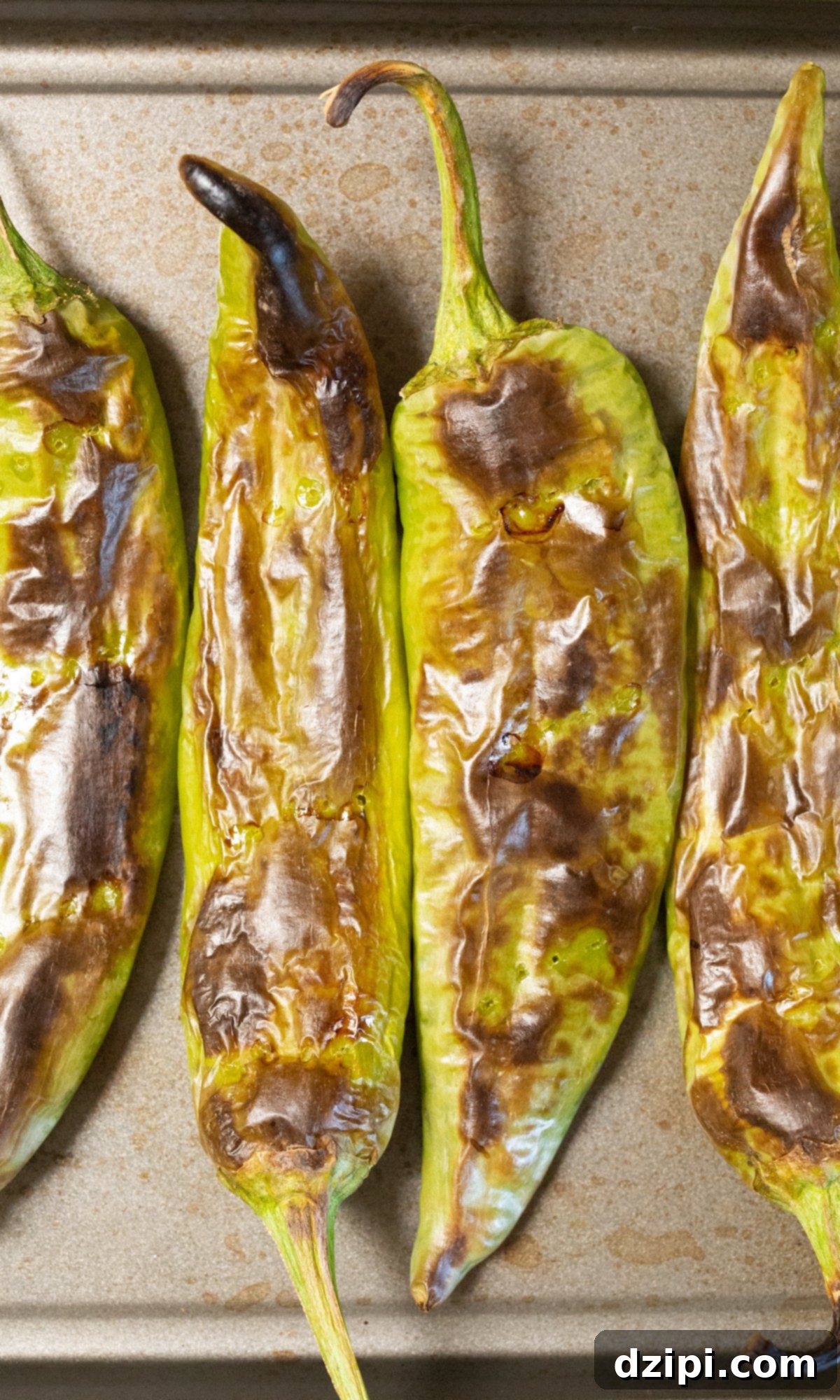
Mastering the Art of Roasting Hatch Chiles at Home: A Comprehensive Guide
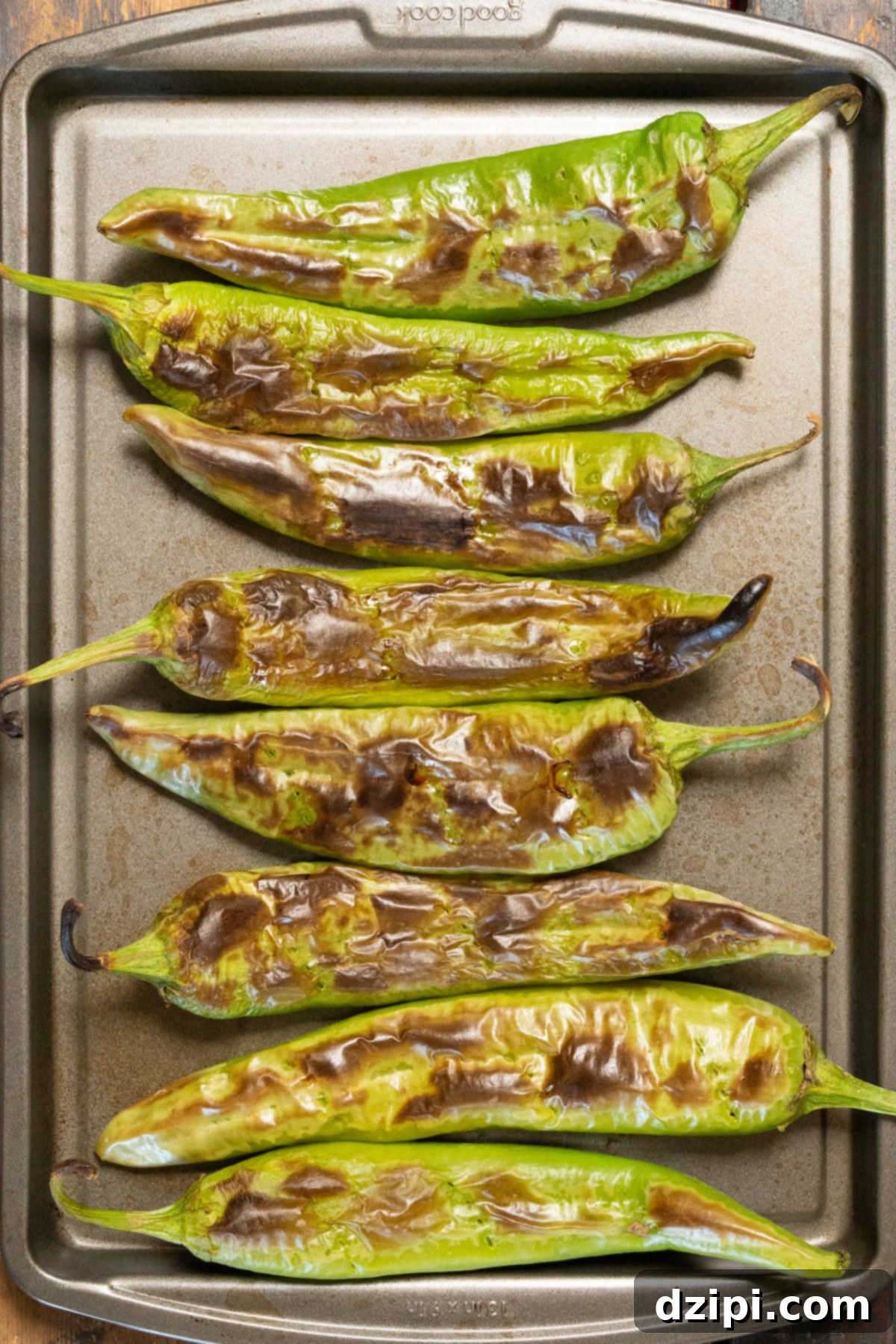
The distinctive aroma of roasting chiles signifies the arrival of late summer and early fall in New Mexico and beyond. Among the many varieties, Hatch Chiles stand out as a culinary treasure, cherished for their unique flavor profile and versatility. Originating exclusively from the Hatch Valley in New Mexico, these peppers are more than just an ingredient; they are a staple, a cultural symbol, and a seasonal event for food enthusiasts.
This comprehensive guide will walk you through the simple yet rewarding process of roasting Hatch Chiles right in your own kitchen. Whether you plan to use them immediately in your favorite dishes or preserve their smoky goodness for year-round enjoyment, mastering home roasting will elevate your culinary game. Say goodbye to plain peppers and embrace the rich, complex flavors of freshly roasted Hatch Chiles.
Discovering the Unique World of Hatch Chiles
What Makes Hatch Chiles So Special?
Hatch Chiles are grown in the fertile Hatch Valley region of New Mexico, an area renowned for its unique climate and soil composition—often referred to as ‘terroir’ in the culinary world. This specific environment is believed to contribute to the distinctive flavor of the chiles, a characteristic that cannot be replicated elsewhere, even with the same pepper seeds.
Unlike many other peppers, Hatch Chiles offer a complexity that goes beyond mere heat. Their flavor is often described as earthy, slightly smoky, and even possessing subtle notes of onion and garlic. While generally considered mild to medium in heat, varieties ranging from mild (like the NuMex R Naky) to extra hot (such as Lumbre) are available, catering to every palate. This depth of flavor makes them incredibly versatile, perfect for enhancing a wide array of dishes.
The Annual Hatch Chile Harvest Season
The peak season for fresh Hatch Chiles typically runs through August and September. During this period, the valley comes alive with the harvest, and grocery stores and farmer’s markets across the country often feature these coveted peppers. For many, the arrival of Hatch Chiles is an eagerly anticipated annual event, prompting bulk purchases for roasting and freezing to enjoy their unique taste throughout the rest of the year. Buying a large box, such as a 10lb quantity, is a common practice for those looking to stock up.
Selecting Your Hatch Chiles
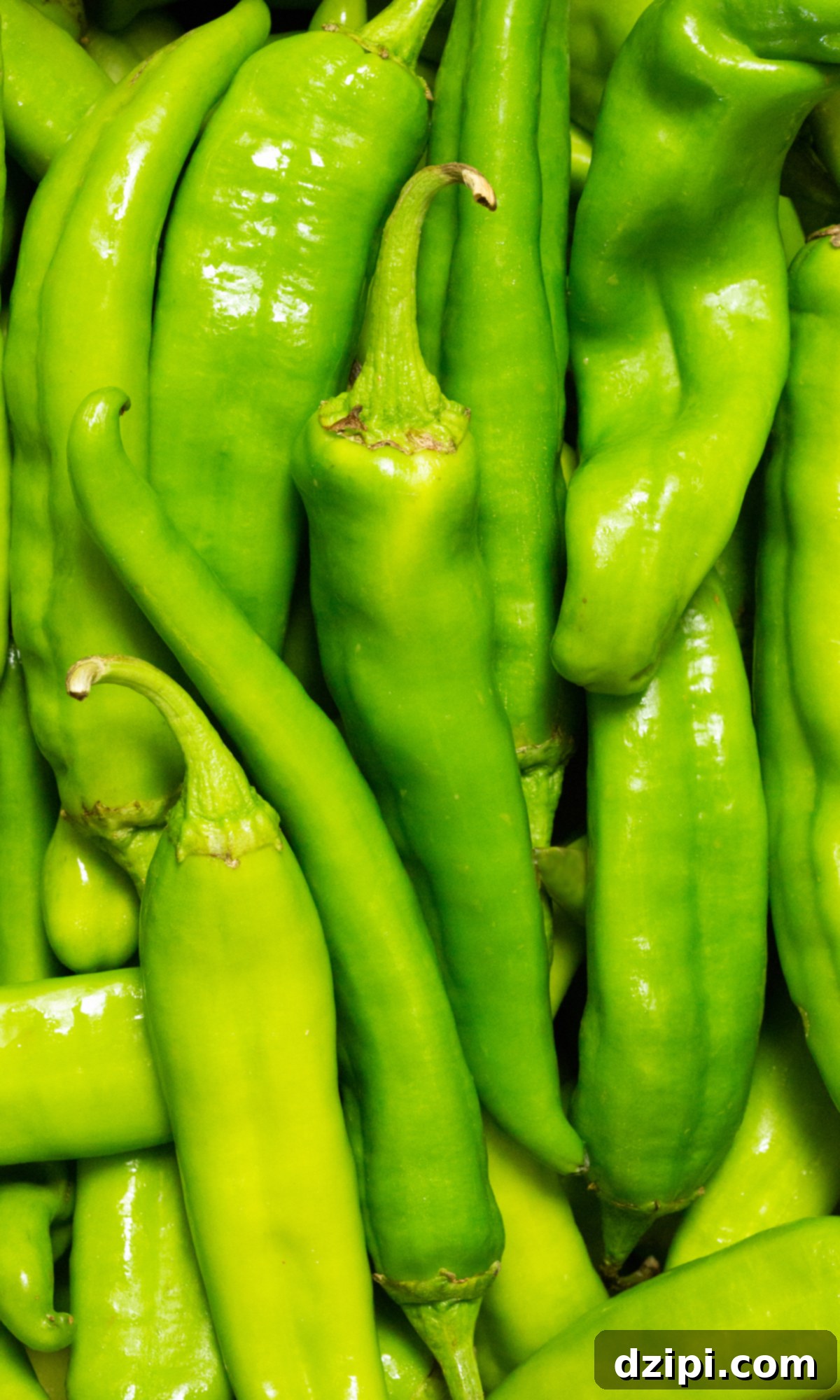
The quality of your roasted chiles starts with the selection of fresh peppers. When shopping, look for chiles that are firm, unblemished, and have a vibrant green color. Avoid any with soft spots, wrinkles, or dark patches, as these indicate they are past their prime.
Where to Find Them:
- Local Supermarkets and Farmer’s Markets: During late summer, many stores will carry fresh Hatch Chiles. Check your local produce sections or speak to your grocer about availability.
- Online Retailers: If fresh Hatch Chiles are hard to find in your area, consider ordering them directly. Reputable online stores, such as The Hatch Chile Store, offer fresh peppers that can be shipped right to your door. I recently purchased a 10lb box from them, and the chiles arrived in excellent condition, fresh and ready for roasting.
Why Roast Hatch Chiles? The Flavor Transformation
Roasting Hatch Chiles isn’t just about cooking them; it’s about unlocking their full potential. The process transforms their raw, sometimes grassy flavor into something deeply rich and complex. Here’s why roasting is essential:
- Deepened Flavor: Roasting caramelizes the natural sugars in the chiles, intensifying their inherent sweetness and bringing out their smoky, earthy notes.
- Mellowed Heat: While the chiles retain their characteristic spiciness, roasting can subtly mellow some of the raw heat, making them more palatable for a broader range of dishes.
- Tender Texture: The heat from roasting softens the chile’s flesh, making it incredibly tender and enjoyable to eat.
- Easier Peeling: The primary reason for roasting is to blister and char the tough outer skin, which allows for easy removal. The skin, while edible, can be fibrous and less palatable in many recipes.
- Preservation: Roasting is the crucial first step for preserving Hatch Chiles, preparing them for freezing so you can enjoy their taste long after the season ends.
Step-by-Step Guide to Roasting Hatch Chiles
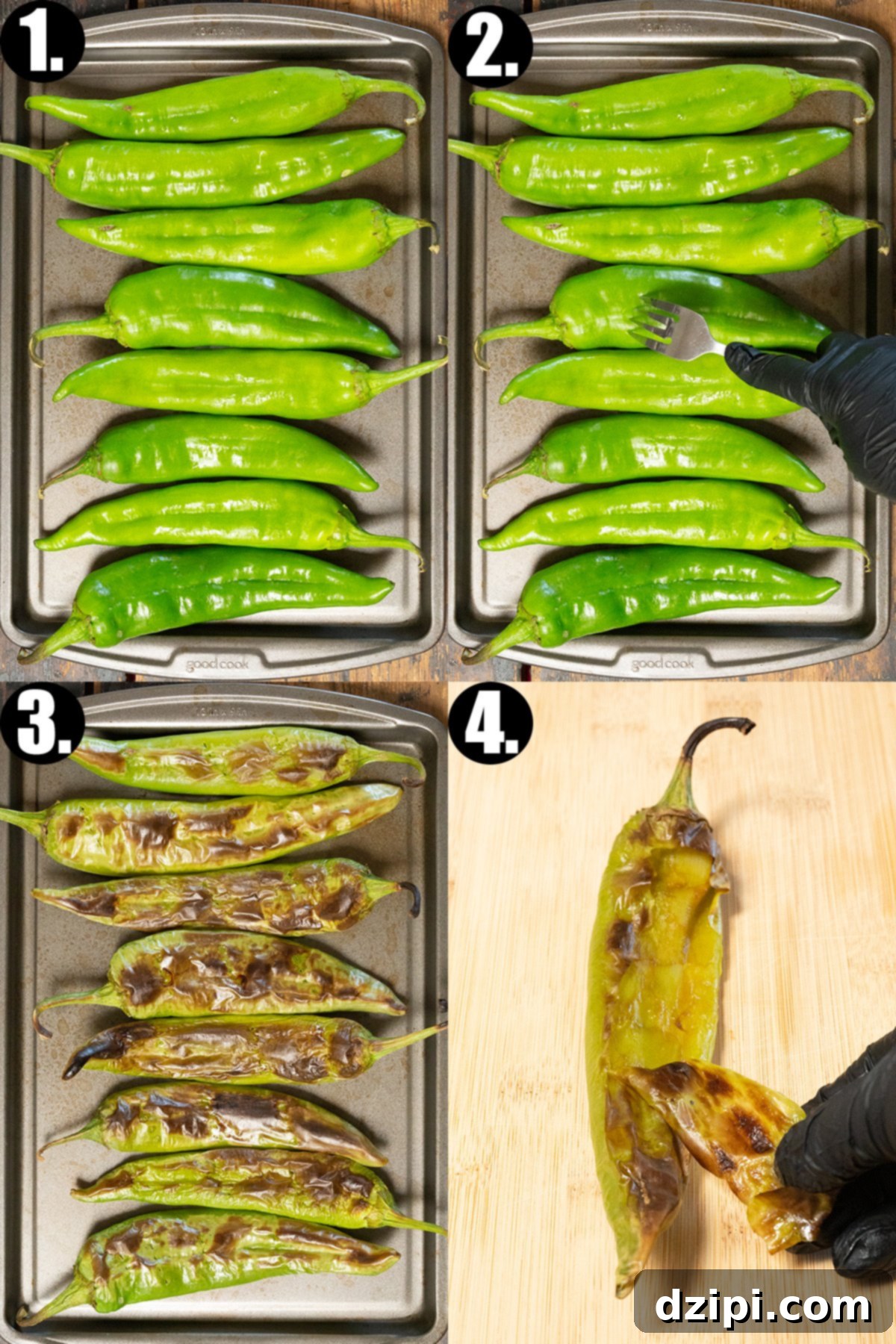
There are several effective methods for roasting Hatch Chiles, each yielding slightly different results in terms of char and smokiness. The oven broiler is a popular and convenient method for home cooks.
Method 1: Roasting in the Oven (Broiler Method)
This is arguably the most common and accessible method for roasting chiles at home, perfect for achieving that desirable blistered skin.
- Preparation: Begin by washing and thoroughly drying your Hatch Chiles. Lay them in a single layer on a sturdy baking sheet. To prevent the chiles from bursting during roasting, carefully poke a few small holes in each one using a fork or the tip of a sharp knife. This allows steam to escape.
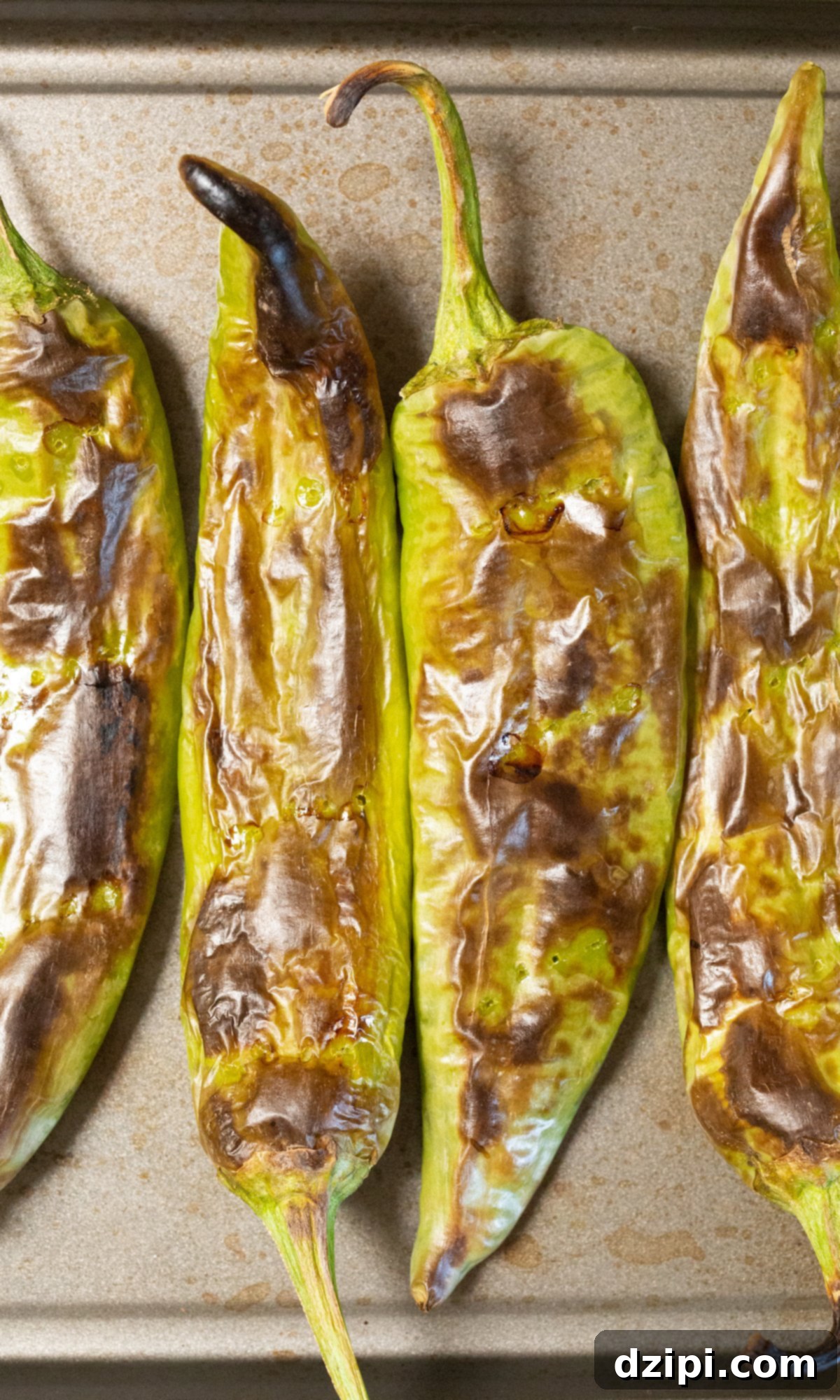
- Broiling: Place the baking sheet under your oven’s broiler. Position the rack about 4-6 inches from the heat source. Broil for 6-8 minutes, or until the skin on the top side of the chiles is visibly blistered and blackened.
- Flipping: Using tongs, carefully flip each chile to the other side. Return the baking sheet to the broiler and cook for an additional 6-8 minutes, ensuring the second side is also blistered and charred. The goal is to get the skin evenly blackened without burning the flesh underneath.
- Steam and Cool: Once roasted, immediately transfer the hot chiles to a paper bag, a bowl covered tightly with plastic wrap, or a large Ziploc bag. Seal the bag or cover the bowl and let the chiles steam for 15-20 minutes. This steaming process creates moisture that helps loosen the skin, making it much easier to peel.
Method 2: Grilling
For a more pronounced smoky flavor, roasting Hatch Chiles on a grill is an excellent option.
- Preheat Grill: Preheat your grill to high heat. You want the grates to be very hot.
- Arrange Chiles: Place the whole, washed, and dried chiles directly on the hot grill grates.
- Grill and Turn: Cook the chiles for about 4-6 minutes per side, turning them occasionally with tongs, until the skin is thoroughly blackened and blistered all over. Keep a close eye on them to prevent over-burning.
- Steam and Cool: Similar to the broiler method, transfer the grilled chiles immediately to a paper bag or covered bowl to steam for 15-20 minutes.
Method 3: Using a Chile Roaster
For those processing large quantities or seeking an authentic experience, dedicated chile roasting apparatuses are available. These cylindrical roasters tumble the chiles over an open flame, providing an even char and that iconic roasted aroma.
- Specialized Equipment: While not a common kitchen appliance, chile roasting apparatuses make roasting large batches a breeze. They are particularly popular at farmer’s markets and specialty stores during Hatch Chile season.
- Benefits: These roasters ensure consistent charring and can handle many pounds of chiles efficiently, capturing the true essence of traditional Hatch Chile roasting.
Peeling and Preparing Roasted Chiles
Once the chiles have steamed and cooled slightly, it’s time for peeling. This step is crucial for achieving the best texture and flavor in your dishes.
- Wear Gloves: It’s highly recommended to wear food-safe gloves during the peeling process. The capsaicin (the compound responsible for the heat) can irritate skin and eyes. Avoid touching your face or eyes after handling chiles.
- Gentle Peeling: Take one chile at a time and gently peel off the loosened skin. The steaming process should make this relatively easy. Don’t worry if a few small bits of skin remain; it won’t affect the flavor significantly.
- Stem and Seed Removal (Optional): After peeling, you can slice open the chile and carefully remove the stem and seeds. For most recipes, removing the seeds is recommended to reduce some of the heat and prevent a slightly bitter taste. For dishes where a little extra heat and texture are desired, you can leave some seeds in.
- Discard Waste: Dispose of the skins, stems, and seeds responsibly.
Tips for Success
- Don’t Overcrowd the Pan/Grill: Ensure chiles are in a single layer to allow for even roasting and charring. Overcrowding will steam the chiles instead of roasting them.
- Monitor Closely: Broilers and grills can be unpredictable. Stay near your chiles and turn them as needed to prevent burning. A good char is desired, but not excessive burning.
- Ventilation: Roasting chiles, especially spicier varieties, can release fumes that may irritate your eyes or throat. Ensure good ventilation in your kitchen.
- Gloves are Your Friend: As mentioned, wear gloves when handling raw and roasted chiles, especially during peeling and seeding.
- Versatility: Remember that even slightly under-roasted or over-roasted chiles are still delicious and usable in many recipes. Don’t strive for absolute perfection on your first try!
How to Freeze Roasted Hatch Chiles for Year-Round Enjoyment
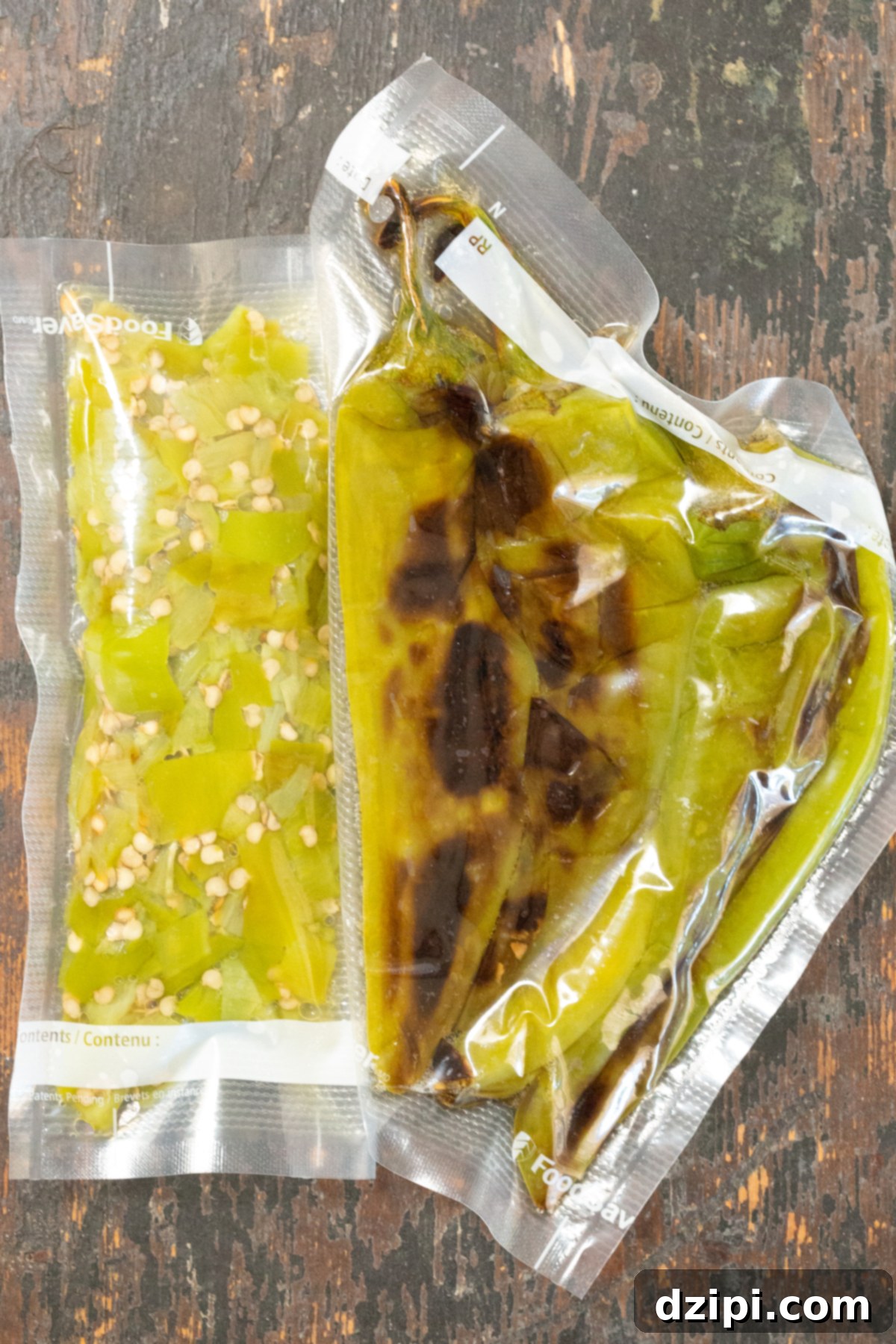
Freezing roasted Hatch Chiles is the best way to preserve their unique flavor and enjoy them long after the harvest season. Proper freezing techniques ensure they maintain their quality and taste.
Preparation for Freezing:
- Peeled vs. Unpeeled: You can choose to peel your chiles before freezing or leave the skin on. Many people prefer to peel them beforehand to save time later. However, some argue that leaving the peel on can offer a bit more protection against freezer burn. Ultimately, it comes down to personal preference and how you plan to use them. If you leave the peel on, make sure to remove it after thawing.
- Whole vs. Chopped: Consider how you’ll use the chiles. Freezing them whole is great for dishes like chiles rellenos, while chopping them beforehand saves prep time when making sauces, dips, or toppings. I often chop some of my Hatch Chiles and seal 1 cup portions in individual bags, which makes using them in recipes incredibly convenient.
Packaging for Freezing:
The key to successful freezing is to protect the chiles from freezer burn by using airtight packaging.
- Freezer Bags: Standard heavy-duty freezer bags work well. Squeeze out as much air as possible before sealing.
- Vacuum Sealer: For the absolute best results and longest shelf life, a vacuum sealer is highly recommended. A device like a FoodSaver removes all air, preventing ice crystals and maintaining the chiles’ flavor and texture for up to a year or even longer.
Freezing Process:
- Cool Completely: Ensure your roasted and peeled (if desired) chiles are completely cool before packaging.
- Portion: Divide the chiles into usable portions. Whether whole or chopped, freezing them in smaller quantities makes it easier to thaw only what you need.
- Label and Date: Always label your freezer bags or containers with the contents (“Roasted Hatch Chiles”) and the date they were frozen.
- Freeze Flat: For chopped chiles, try to flatten the bag before freezing to maximize freezer space and allow for quicker thawing.
Creative Ways to Use Your Roasted Hatch Chiles
Once roasted and ready, Hatch Chiles can transform countless dishes. Their unique flavor adds a delightful kick and depth that is simply irresistible.
- Classic New Mexican Dishes:
- Dips and Salsas: They are essential in creamy dips like Hatch Queso and vibrant Hatch Chile Salsa.
- Sauces: Puree roasted chiles to create a luscious green chile sauce for enchiladas, burritos, or tamales.
- Chiles Rellenos: A beloved New Mexican specialty, these involve stuffing whole roasted chiles with cheese, coating them in an airy egg batter, and deep-frying them until golden.
- Everyday Meal Enhancements:
- Toppings: Dice them and use as a flavorful topping for chili dogs, burgers, tacos, nachos, or even scrambled eggs.
- Breakfast Staples: Incorporate into omelets, breakfast burritos, frittatas, or hash.
- Soups and Stews: Add a generous amount to your favorite green chile stew, chicken tortilla soup, or any hearty stew for a boost of flavor.
- Casseroles and Bakes: Mix into mac and cheese, cornbread, casseroles, or gratins.
- Gourmet & Unique Pairings:
- Stuffed Peppers: Elevate your meal by stuffing roasted Hatch Chiles with savory fillings like crab, corn, and cheese – a summer favorite in many homes.
- Sweet & Savory: For an unexpected delight, try them in a green chile apple pie, a unique New Mexican dessert that balances heat with sweetness.
Roasted Hatch Chiles Recipe Card
Roasted Hatch Chiles
Fresh green Hatch Chiles expertly roasted in the oven or on the grill, perfect for immediate use or freezing.
2 mins
15 mins

Ingredients
- Hatch Chiles (quantity as desired, typically 5-10 lbs for bulk roasting)
Instructions (Oven Broiler Method)
- Wash and thoroughly dry your Hatch Chiles. Lay them in a single layer on a baking sheet.
- Turn your oven to the “broil” setting and position an oven rack 4-6 inches below the broiler element.
- Place the baking sheet under the broiler for 6-8 minutes, or until the skin on the top side has blackened and blistered.
- Remove the baking sheet from the oven and carefully flip each pepper using tongs. Broil for an additional 6-8 minutes, until the second side has also blackened.
- Immediately transfer the hot chiles to a paper bag, a bowl covered tightly with plastic wrap, or a large Ziploc bag. Seal and allow them to steam for 15-20 minutes.
- Once cooled, carefully pull the skin off each pepper (wearing gloves is recommended). Remove stems and seeds if desired.
- Store in airtight containers or Ziploc bags, or vacuum seal and store in the freezer until ready to use.
Jessica Pinney
Did you make this recipe?
Please tag @cookingwithjanica on Instagram! We’d love to see your creations!
Conclusion: Embrace the Hatch Chile Season
Roasting Hatch Chiles at home is a rewarding culinary endeavor that brings the authentic flavors of New Mexico right into your kitchen. From the initial selection to the final freeze, each step ensures you capture the peak freshness and unique character of these beloved peppers. By following this guide, you’re not just preparing food; you’re participating in a tradition, stocking your pantry with a versatile ingredient that will enhance countless meals throughout the year.
So, as August approaches, keep an eye out for those vibrant green Hatch Chiles. Gather your supplies, fire up your oven or grill, and immerse yourself in the delightful experience of roasting. The rich aroma and delicious results will surely make this a cherished annual ritual in your home. Enjoy the bounty of the Hatch Valley!
This post contains affiliate links (when you buy we make a little money at no cost to you). See our disclosure for more information.