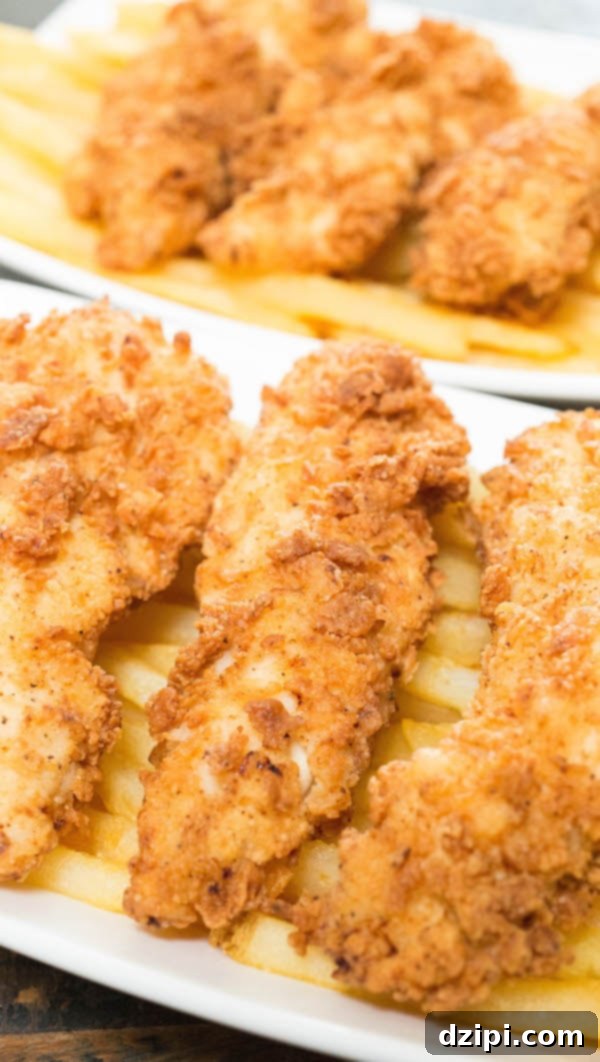
The Ultimate Guide to Crispy Buttermilk Chicken Tenders: A Homemade Favorite
For as long as I can remember, chicken tenders have held a special place in my heart – and on my plate. It’s a love affair that started early, much to my father’s playful frustration. No matter where we went, be it a fancy restaurant or a casual diner, my order was almost guaranteed: a plate of crispy chicken tenders and a generous side of french fries. There’s something undeniably comforting and universally appealing about a perfectly cooked chicken tender. They’re a reliable classic, a consistent source of deliciousness that never disappoints.
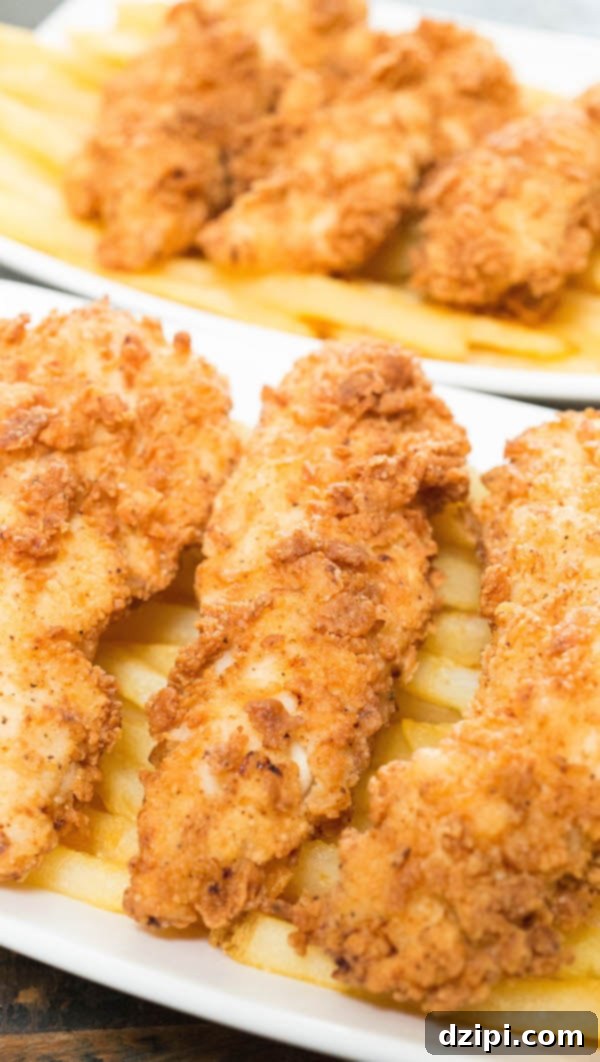
While I might not indulge quite as often as my teenage self, the craving for a truly great chicken tender still hits from time to time. And I’ve discovered a secret that has elevated this beloved dish to new heights: making them from scratch at home. It’s surprisingly simple, incredibly rewarding, and the results far surpass anything you’d get from a fast-food joint. The crispy coating, the juicy interior, the perfect blend of seasonings – it all comes together to create a meal that feels both gourmet and delightfully nostalgic. Forget complicated recipes; homemade chicken tenders are here to prove that sometimes, the simplest pleasures are indeed the most satisfying.
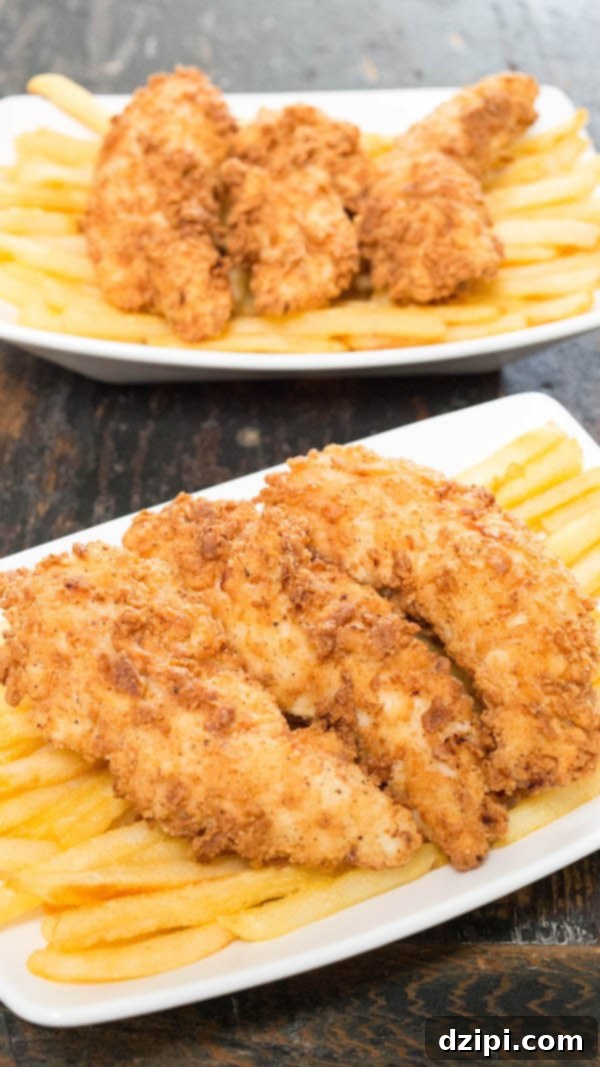
The Quest for the Perfect Crispy Coating and Flavor
My journey to crafting the ultimate homemade chicken tender wasn’t without its trials and errors. I was determined to achieve a coating that wasn’t just crispy, but bursting with flavor. For me, that meant a harmonious blend of savory notes – the pungency of garlic and onion, the warmth of black pepper, and just a hint of cayenne for a subtle kick. It took several batches, each one a delightful experiment, to fine-tune the ratios and achieve that elusive balance I was searching for. The result? A perfectly seasoned, incredibly crispy crust that adheres beautifully to the tender, juicy chicken within.
Why Buttermilk is Your Secret Weapon for Tender Chicken
The magic behind truly tender chicken tenders lies in one key ingredient: buttermilk. This slightly acidic dairy product plays a crucial role in both tenderizing the chicken and creating a superior coating. The mild acidity in buttermilk helps to break down the tough muscle fibers in the chicken, resulting in meat that is incredibly moist and succulent after frying. Beyond its tenderizing power, buttermilk also acts as an excellent binder for the flour coating. Its thick consistency allows the seasoned flour to cling to the chicken more effectively, creating those delightful nooks and crannies that fry up into extra-crispy bits. This pre-soak is a non-negotiable step if you’re aiming for chicken tenders that are juicy on the inside and irresistibly crunchy on the outside.
Essential Ingredients for Your Buttermilk Chicken Tenders
Creating these sensational chicken tenders requires just a handful of staple ingredients, proving that extraordinary flavor doesn’t demand an extensive shopping list. Quality ingredients are key here, especially when it comes to your chicken and frying oil. Here’s what you’ll need to gather:
- Raw Chicken Tenders: Opt for fresh, high-quality chicken tenderloins for the best results. You can also slice boneless, skinless chicken breasts into 1-inch thick strips if tenders aren’t available.
- Buttermilk: The star ingredient for marination. If you don’t have buttermilk, you can make a quick substitute by adding 1 tablespoon of white vinegar or lemon juice to a measuring cup, then filling the rest with regular milk to equal 1 cup. Let it sit for 5-10 minutes until it slightly curdles.
- All-Purpose Flour: The foundation of our crispy breading.
- Aromatic Spices: A carefully selected blend for maximum flavor. This includes:
- Salt: Essential for seasoning the chicken from within.
- Black Pepper: Adds a classic, warm spice.
- Garlic Powder: Provides a savory depth.
- Onion Powder: Enhances the aromatic profile.
- Cayenne Pepper: For that subtle, craveable hint of heat. Adjust to your preference.
- Oil for Frying: Choose an oil with a high smoke point, such as vegetable oil, canola oil, peanut oil, or sunflower oil.
Crafting Your Crispy Buttermilk Chicken Tenders: A Step-by-Step Guide
Making your own buttermilk chicken tenders is a straightforward process that yields incredibly rewarding results. Follow these steps to achieve perfectly crispy and flavorful tenders every time:
- Marinate the Chicken: Begin by placing your raw chicken tenders in a medium bowl. Pour enough buttermilk over them to ensure they are fully submerged. Cover the bowl and refrigerate for at least 30 minutes, or ideally for 2 to 4 hours. This crucial step tenderizes the chicken and allows it to absorb the tangy buttermilk flavor.
- Prepare the Seasoned Flour Breading: In a separate large bowl, combine the all-purpose flour with all your chosen spices: salt, black pepper, garlic powder, onion powder, and cayenne pepper. Stir everything together thoroughly with a fork until the spices are evenly distributed throughout the flour.
- Create the “Crunchy Bits”: This is the secret to an extra-crispy coating! Drizzle about 1/4 cup of the reserved buttermilk (or fresh buttermilk if you prefer) directly into the seasoned flour mixture. Using a fork, lightly stir the buttermilk into the flour. You’re not aiming for a smooth batter; rather, you want to create small, shaggy clumps of flour. These little bits will fry up into delightful, super-crispy crunchies on your tenders.
- Heat the Frying Oil: If you’re using a deep fryer, preheat it to 375°F (190°C). If you don’t have a deep fryer, a heavy-bottomed pot or a cast-iron skillet works perfectly. Add about 1 inch of frying oil to your chosen vessel and heat it over medium heat until it reaches 375°F (190°C). A kitchen thermometer is highly recommended to ensure the oil maintains the correct temperature, which is vital for even cooking and crispiness.
- Dredge the Chicken: Once the chicken tenders have finished marinating, remove them from the buttermilk mixture, allowing any excess buttermilk to drip off. Transfer them directly into the seasoned flour mixture with the crunchy bits. Turn and press each tender firmly into the flour, ensuring it is thoroughly coated on all sides. Gently shake off any excess flour.
- Fry the Tenders: Carefully place the breaded chicken tenders into the hot oil. Avoid overcrowding the pot or fryer, as this will lower the oil temperature and result in soggy tenders. Fry them in batches if necessary. Cook for about 2 minutes per side, turning them until they are a beautiful golden brown and wonderfully crispy. The internal temperature of the chicken should reach 165°F (74°C) for food safety.
- Drain and Serve: As each batch of tenders finishes cooking, remove them from the oil using tongs and place them on a wire cooling rack set over a baking sheet or on a paper towel-lined plate. This allows excess oil to drain off and helps maintain their crispiness.
- Enjoy Immediately: Serve your homemade crispy buttermilk chicken tenders hot and fresh with your favorite dipping sauces and a side of french fries.
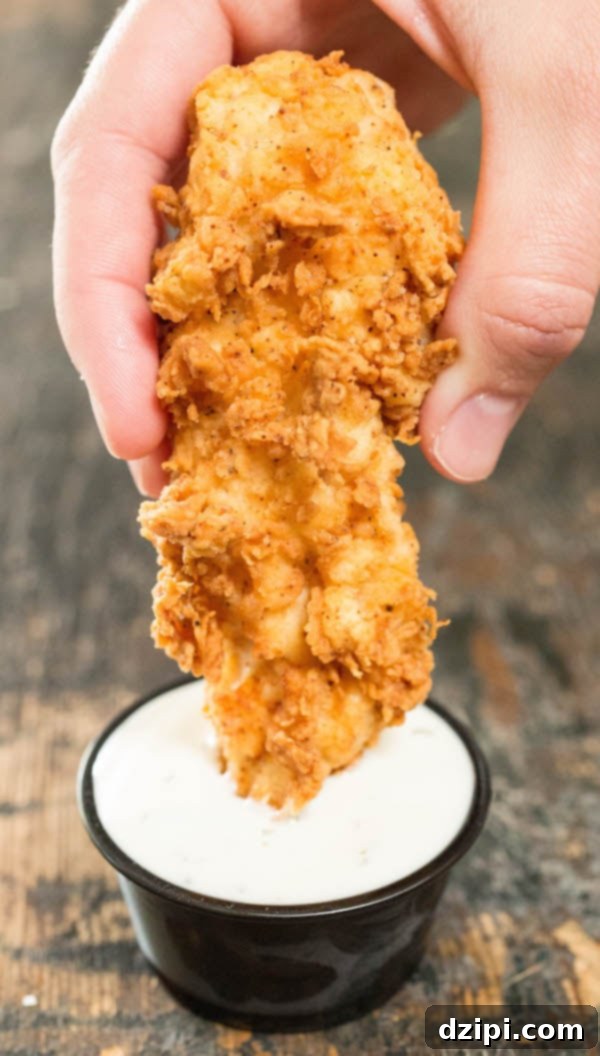
Tips for Frying Success: Achieving Maximum Crispiness
While the steps above lay out the foundation, a few extra tips can elevate your chicken tenders from good to absolutely phenomenal:
- Maintain Oil Temperature: This is arguably the most critical factor. If the oil is too cool, the coating will absorb too much oil and become greasy and soggy. If it’s too hot, the outside will burn before the inside cooks through. Use a thermometer and adjust your heat as needed.
- Don’t Overcrowd the Pan: Frying in batches ensures the oil temperature stays consistent and prevents the tenders from steaming instead of frying. Give them space!
- Use a Cooling Rack: After frying, never place your tenders directly on a flat plate. A wire rack allows air to circulate, preventing the bottoms from becoming soggy.
- Check for Doneness: The best way to ensure chicken is cooked through is with an instant-read meat thermometer. Insert it into the thickest part of the tender; it should read 165°F (74°C).
- Pat Chicken Dry (Before Marinating): If your chicken tenders are excessively wet, pat them dry with paper towels before soaking them in buttermilk. This helps the buttermilk adhere better.
The All-Important Dipping Sauces
What’s a chicken tender without its perfect dipping companion? The right sauce can take your crispy creations to a whole new level of deliciousness. The possibilities are endless, allowing everyone to find their ideal match.
- Classic Ketchup & Mayo Mix: A personal favorite! Simple, tangy, and creamy – it’s a comforting combination that always hits the spot.
- Tangy BBQ Sauce: Sweet, smoky, and often with a hint of spice, BBQ sauce is a robust pairing for fried chicken.
- Creamy Ranch Dressing: My friend Janette swears by ranch, and it’s easy to see why. Its cool, herb-filled creaminess provides a refreshing contrast to the crispy, savory tenders.
- Zesty Honey Mustard: A popular choice for its sweet and tangy kick.
- Spicy Buffalo Sauce: For those who love an extra fiery punch, buffalo sauce brings the heat and a vinegar tang.
- Sweet Chili Sauce: A sticky, sweet, and mildly spicy option that adds an Asian-inspired twist.
Experiment with different sauces to discover your ultimate pairing. You truly can’t go wrong when you’re dipping a perfect homemade chicken tender!
Serving Suggestions to Complete Your Meal
While chicken tenders and fries are a match made in heaven, there are many ways to build a complete and satisfying meal around these crispy delights. Consider these delicious accompaniments:
- Coleslaw: The creamy tang of coleslaw provides a refreshing contrast to the richness of fried chicken.
- Macaroni and Cheese: A classic comfort food pairing that’s always a hit, especially with kids and adults alike.
- Corn on the Cob: Sweet and summery, corn adds a fresh element to the plate.
- Green Salad: A light, crisp salad can balance the meal, offering freshness and nutrients.
- Sweet Potato Fries: A flavorful alternative to regular french fries, offering a touch of sweetness.
Storage and Reheating Tips
Have leftovers? Lucky you! Here’s how to keep your tenders delicious and reheat them for maximum enjoyment:
- Storage: Store cooled chicken tenders in an airtight container in the refrigerator for up to 3-4 days.
- Reheating for Crispiness: To bring back that glorious crispiness, avoid the microwave. The best methods are:
- Oven: Preheat oven to 350°F (175°C). Place tenders on a wire rack over a baking sheet. Heat for 10-15 minutes, or until heated through and crispy.
- Air Fryer: Preheat air fryer to 375°F (190°C). Place tenders in a single layer in the basket. Cook for 5-8 minutes, flipping halfway, until hot and crispy.
- Skillet: Lightly oil a skillet and heat over medium. Add tenders and cook for a few minutes per side until heated through and crisp.
Frequently Asked Questions About Homemade Chicken Tenders
Got more questions about making the best chicken tenders at home? Here are some common queries:
Can I bake these chicken tenders instead of frying them?
Yes, you can! For a healthier option, after breading, place the tenders on a wire rack set over a baking sheet and lightly spray them with cooking oil. Bake at 400°F (200°C) for 18-25 minutes, flipping halfway, until golden brown and cooked through. While they won’t be quite as crispy as fried, they’ll still be delicious.
Can I use regular milk if I don’t have buttermilk?
You can create a quick buttermilk substitute. For every cup of buttermilk needed, pour 1 tablespoon of white vinegar or lemon juice into a liquid measuring cup, then fill the rest of the cup with regular milk (dairy or non-dairy) and let it sit for 5-10 minutes until it slightly curdles.
What’s the best oil for frying chicken tenders?
For deep frying, it’s best to use oils with a high smoke point and neutral flavor. Good options include vegetable oil, canola oil, peanut oil, sunflower oil, or corn oil.
How do I know if the chicken is cooked through?
The safest way is to use an instant-read meat thermometer. Insert it into the thickest part of the chicken tender; it should read 165°F (74°C). Visually, they should be golden brown and the juices should run clear.
Can I make these gluten-free?
Absolutely! You can substitute the all-purpose flour with a 1:1 gluten-free flour blend. Ensure your spices are also gluten-free. The buttermilk soak will still work perfectly.
Can I prepare the chicken tenders ahead of time?
You can marinate the chicken in buttermilk for up to 4 hours in the refrigerator. You can also bread the chicken tenders and store them on a baking sheet lined with parchment paper in the fridge for up to 30 minutes before frying. For longer storage, you can freeze breaded but uncooked tenders and fry them directly from frozen, adding a few extra minutes to the cooking time.
Explore More Delicious Recipes
If you loved these buttermilk chicken tenders, you’ll surely enjoy exploring other fantastic recipes:
Other Chicken Recipes You Might Love:
- Easy 3-Ingredient Blackened Chicken
- Crispy Buttermilk Deep Fried Chicken Wings
- The Best Roast Chicken Marinade
- Cheesy Grilled Buffalo Chicken
More Irresistible Fried Delights:
- Crispy Chicken Fried Pickles
- Spicy Nashville Hot Fried Chicken Wings
- Double Beer Battered Cajun Fries
- Buttermilk Fried Chicken & Waffle Sandwich
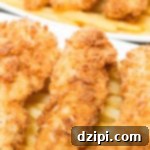
Buttermilk Chicken Tenders
These extra crispy homemade chicken tenders, soaked in buttermilk and coated with the perfect seasoning blend, are a true crowd-pleaser.
Ingredients
- 1 lb Chicken Tenders
- Buttermilk (enough to submerge chicken)
- 1 1/2 Cups All-Purpose Flour
- 1 tsp Salt
- 1/2 tsp Black Pepper
- 1/2 tsp Garlic Powder
- 1/4 tsp Onion Powder
- 1/8-1/4 tsp Cayenne Pepper (adjust to taste)
- Oil, for frying (e.g., vegetable, canola, peanut)
Instructions
- Place chicken strips in a medium bowl and pour buttermilk over the top until they are submerged. Place in fridge and allow to soak for at least 30 minutes, or up to 4 hours.
- In another large bowl, add the flour and all the seasonings (salt, pepper, garlic powder, onion powder, cayenne). Stir with a fork to combine thoroughly. Now, drizzle about 1/4 cup of buttermilk into the seasoned flour, stirring lightly with your fork as you add it. This will create small, crispy clumps of batter.
- Heat your deep fryer to 375°F (190°C) or add about 1 inch of oil to a cast-iron skillet and heat oil to temperature over medium heat. Use a kitchen thermometer to monitor the oil temperature.
- Once the chicken tenders are done soaking, remove them from the buttermilk mixture, allowing excess liquid to drip off. Dredge each tender generously in the seasoned flour mixture, turning them over and pressing lightly to thoroughly coat each side with the flour and those crispy clumps.
- When the oil has come to temperature, carefully add the breaded chicken tenders, frying in batches if necessary to avoid overcrowding. Cook them for about 2 minutes on each side, until they are golden brown, crispy, and cooked through (internal temperature should reach 165°F / 74°C).
- Remove the cooked tenders from the oil and place them on a wire cooling rack set over a baking sheet or on a paper towel-lined plate to drain excess oil.
- Serve immediately with your favorite dipping sauce and a side of french fries.
Nutrition
Calories:
250
kcal
(13% Daily Value)